
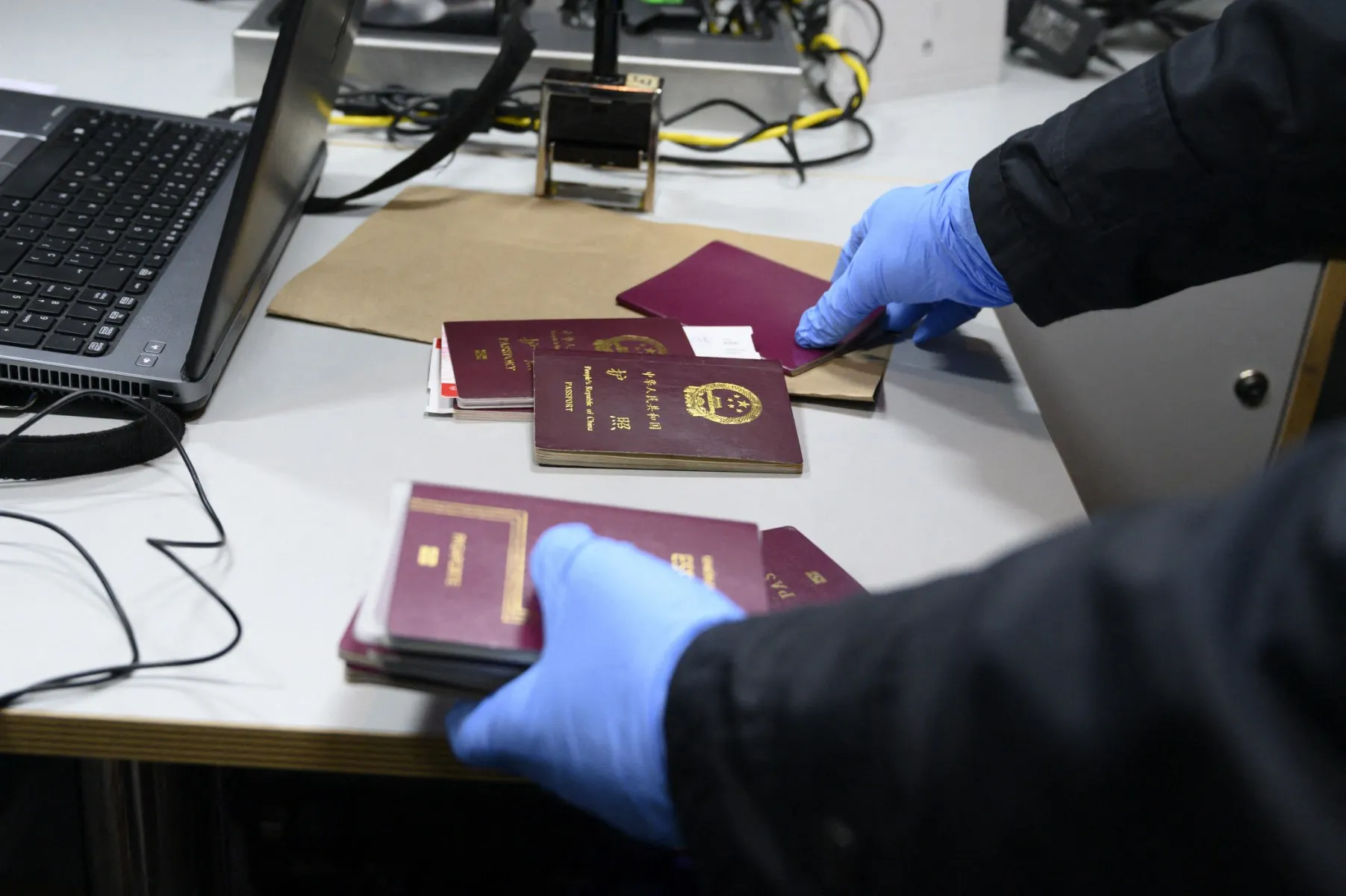
When to use each passport if you’re a dual national with Spanish citizenship
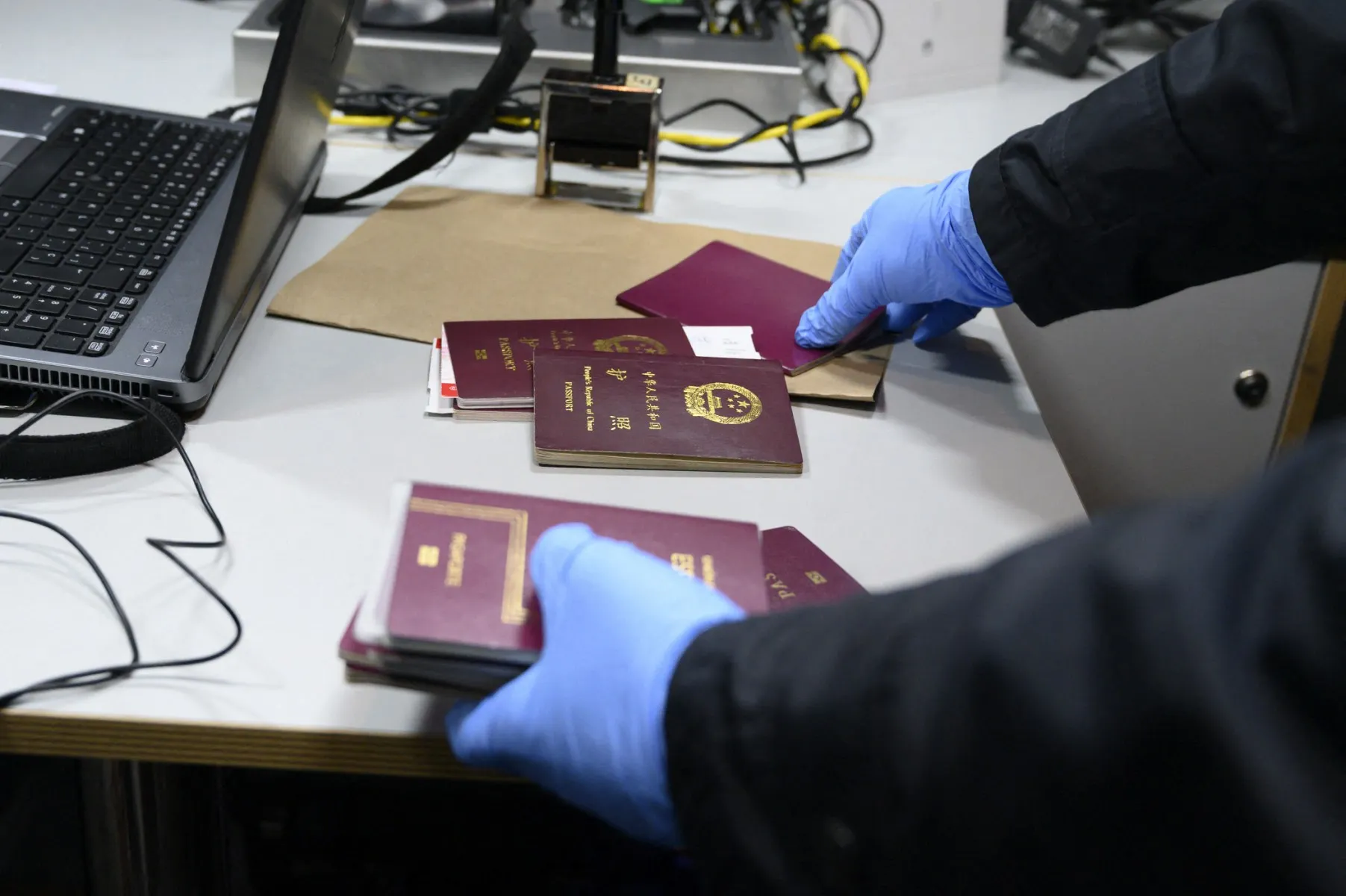
Do you have dual nationality with Spain and your country of birth? If so, travelling can become confusing. Here are the rules on which passport you should use and when.
If you’re lucky enough to have acquired Spanish citizenship via naturalisation, as well as holding another nationality, there are a few things you need to be aware of when showing your passports, as well as exiting and entering different countries.
Firstly, it’s important to be aware that Spain doesn’t actually permit dual nationality with many countries when Spanish citizenship is achieved via residency. In the eyes of the law here, you can only have dual nationality if you are also a national of an Ibero-American country, Portugal, Andorra, the Philippines, Equatorial Guinea, or France.
Don’t miss our journalists’ daily news roundup from Spain
In most cases if you’re a foreign national who gains Spanish citizenship, then technically Spain requires you to renounce your other nationality.
In practice though, many people just promise to renounce their other nationality, but then actually keep hold of their passport.
If your country of origin lets you have dual nationality with Spain, then it should be fine as they won’t require you to give up your nationality or your passport.
According to Migrant Law Partnership law firm, if you’re from the UK, “The renunciation declaration you made is a Spanish law formality. It has no effect whatsoever in UK law. The only way to lose British citizenship is to sign a formal renunciation to the Home Office and pay the fee. Spain knows this perfectly well. The declaration is not a trap”.
Spanish legal firm Echevarría Abogados, agrees saying “once Spanish nationality is granted, Spanish law is indifferent to how the other country in question deals with its citizen”, and that “much more important than analysing Spanish legislation, it is necessary to study the rules of the country from which the applicant in question comes”. The renouncement of your original nationality is a “mere formality” for Spain.
READ ALSO: Do you really have to give up your original nationality if you become Spanish?
However, you have to be careful in this situation because if you use your original nationality for anything in Spain and the authorities find out, they could revoke your Spanish citizenship.
When you’re travelling, it may become a little confusing knowing which passport to use when.
Essentially when leaving or entering Spain, you will show your Spanish passport to the border guards. And when you arrive in or leave your country of origin, you show the passport of that country.
Journalist and former UK MP Michael Portillo has openly spoken about this strategy he uses, although in his case he’s a dual Spanish-British national by birth right, as his father was Spanish. Portillo has explained how he leaves Britain on his British passport and arrives in the European Union with his Spanish passport.
However, you also have to consider visas when it comes to deciding which passport you show.
Law firm Migrant Law Partnership confirms that if you’re a UK national, you need to show your British passport to the airline whilst still in Spain, so that they treat you as a British citizen who does not need an electronic travel authorisation (ETA).
This would be the same for US citizens when it comes to proving that they don’t need an ESTA visa waiver to enter their home country.
If you’re not travelling back to your home country, which passport you use will depend on where you’re going.
If you’re travelling anywhere within the EU, you’ll want to use your Spanish passport if you’re originally from a non-EU country.
If you’re travelling to a non-EU country, you will use your Spanish passport to exit Spain and then the passport you use to enter the third country will depend on visa agreements and rules each country has with Spain or with your origin country and whichever is more advantageous to you.
In any case, if you’ve acquired Spanish citizenship through naturalisation, as a general rule it’s a good idea to favour your Spanish passport, at least for the first few years.
According to the Spanish Justice Ministry, people who have acquired Spanish citizenship by marriage or residency can lose it if in the first three years they’re caught using their old nationality that they supposedly ‘renounced’.
Remember that passports are mostly biometric now and that information on international databases can easily be scanned and cross-referenced by border control and other authorities.
READ ALSO: How to make sure you don’t lose Spanish citizenship if you live abroad