
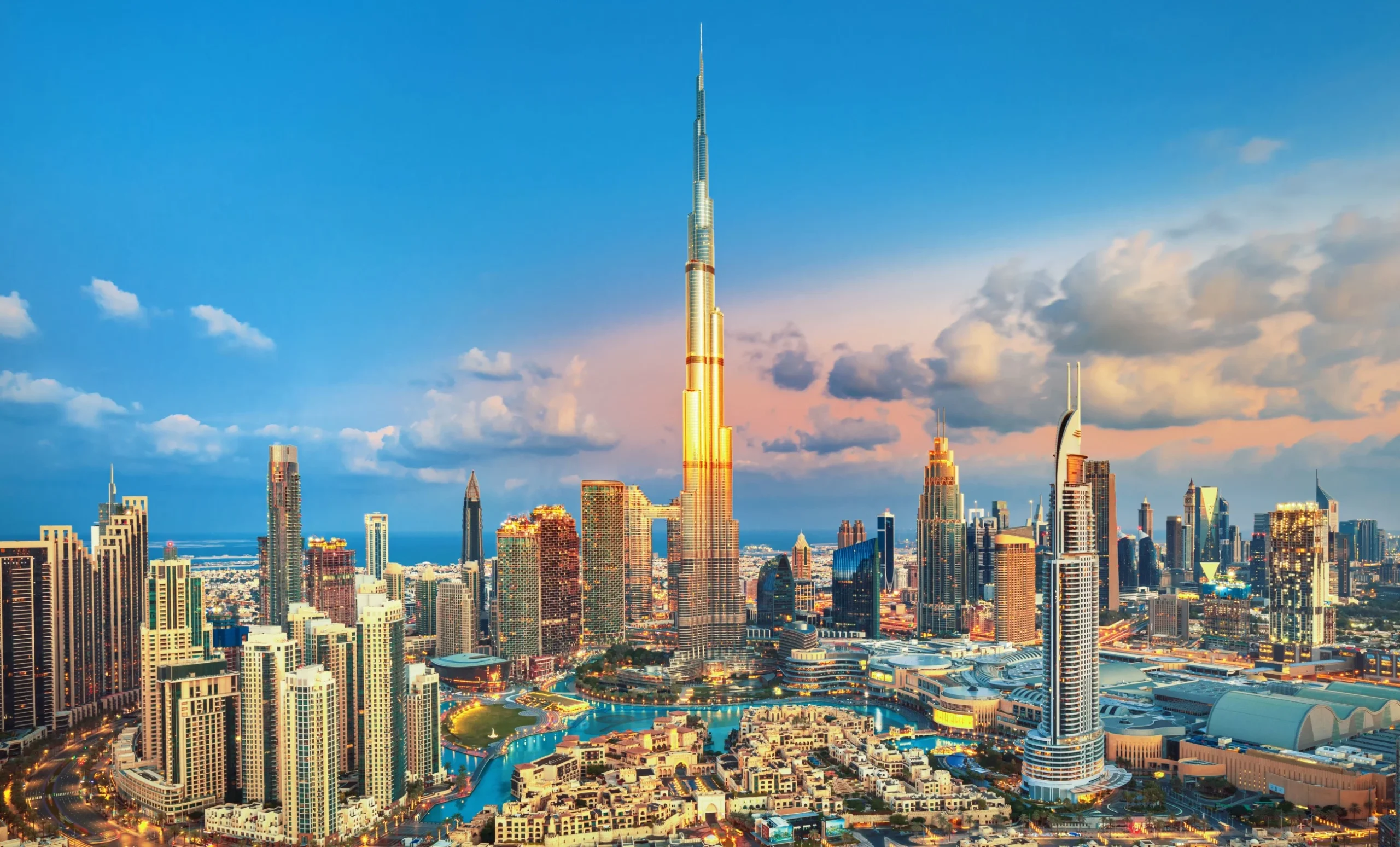
Abu Dhabi and Dubai among world’s most competitive cities: Report
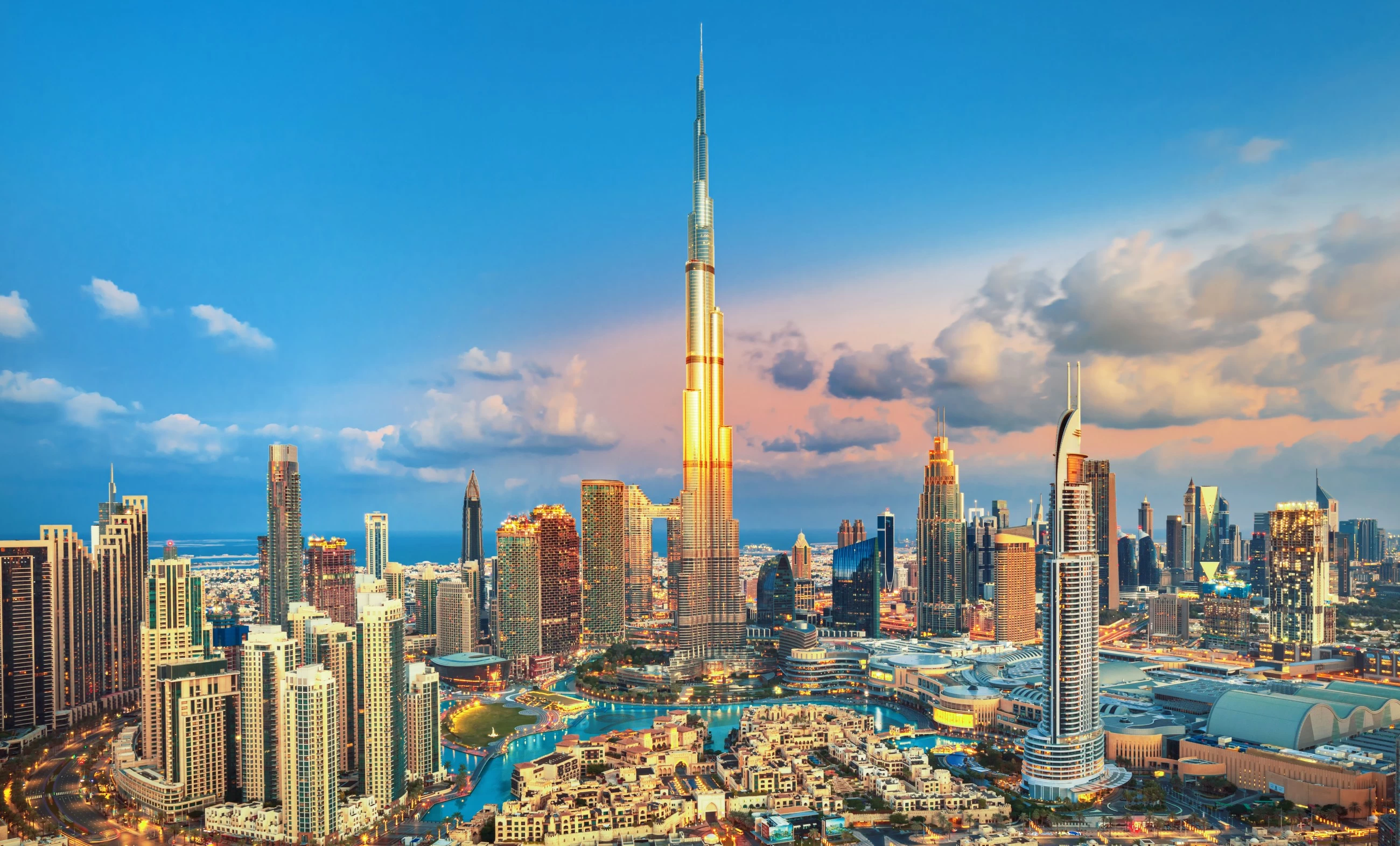
The UAE has emerged as one of the world’s most competitive urban destinations, with Abu Dhabi and Dubai placing at the top of global benchmarks across social capital, economic opportunity, quality of life, and digital government, according to Boston Consulting Group’s (BCG) Cities of Choice 4.0 report.
Covering 80 cities across five dimensions through a combination of objective data and resident sentiment surveys, the report positions the UAE as a country whose cities consistently outperform the global average across nearly every resident experience measure.
BCG’s report, titled Built to Change: How Cities Compete for the Future, is the fourth edition of BCG’s comprehensive global urban competitiveness study. The research conducted alongside BCG Institute identifies the factors most strongly correlated with resident advocacy and long-term competitive positioning.
Together, Abu Dhabi and Dubai demonstrate consistently strong performance across BCG’s five dimensions of urban competitiveness: Economic Opportunities, Livability, Social Capital, Engagement with Governments, and Speed of Change, and sit materially above the global average across nearly every resident experience measure.
“The cities winning the global competition for residents and talent are not simply the ones with the best infrastructure; they are the ones delivering outcomes that people feel in their daily lives,” said Christian Schwaerzler, Managing Director & Senior Partner, BCG. “Economic opportunity, and quality of life are not abstract metrics; they are the reasons people choose to build their lives in a city. The UAE’s performance across these dimensions reflects a deliberate, resident-centered model of urban development, and the data shows that residents recognise and reward it with advocacy and loyalty.”
The UAE is ranked among the strongest performers globally, with Abu Dhabi recording robust social connection metrics, and Dubai ranking twelfth globally in Social Capital, leading all Middle East cities on this dimension and placing first globally in the social connections sub-dimension. Residents report among the highest rates of meeting friends, community participation, and social generosity of any cities in the study. The UAE’s expatriate-driven social fabric, diverse, transient, and yet deeply community-oriented, is reflected in scores that consistently outperform the global norm on every social connection sub-indicator.
Dubai ranks fifth globally in Economic Opportunities and is the only Middle East city in the global top five on this dimension, driven by high household incomes, positive business sentiment, and strong global corporate presence. Residents report above-average confidence in career development and financial accessibility. The report’s findings show that the UAE is outperforming many Western peers on career development and financial accessibility indicators.
Dubai ranks ninth globally in Engagement with Governments, placing it among the world’s strongest performers on digital public services and resident satisfaction with government delivery.
BCG records a significant improvement globally in residents’ ability to use online tools to resolve city issues across its four editions, and the UAE is among the highest performers in this dimension worldwide, well ahead of the cross-city average.
In leisure and time use, UAE cities lead the world. Abu Dhabi and Dubai are the only two cities explicitly named in BCG’s global summary as world leaders in the time residents spend at leisure locations, averaging nine to ten hours per week, well above the global city average.
A majority of UAE residents visit leisure venues multiple times per week. UAE cities also perform strongly in healthcare and housing affordability, with residents rating both dimensions above global averages.
Dubai ranks as a global outlier in tourism and business travel, recording the highest inbound visitor spending of all 80 cities in the study and placing among only two cities, alongside Istanbul, that significantly outperform peers on international flight connectivity. With the majority of the Gulf-corridor business travelers combining business and leisure in their trips, BCG identifies Dubai as one of the primary beneficiaries of the fast-growing leisure travel trend globally.
“The data tells a story about where global urban competitiveness is heading. Cities that combine strong digital infrastructure, resident-focused governance, and quality of life are pulling ahead. The Middle East’s concentration of high-performing cities on Speed of Change, the indicator most linked to long-term success, signals that this region is not just keeping pace with global leaders but actively shaping what competitive cities will look like in the decades ahead,” said Suresh Subudhi, Managing Director & Senior Partner, BCG.
WAM