Trump, Xi move to ease tariffs on $60 billion trade
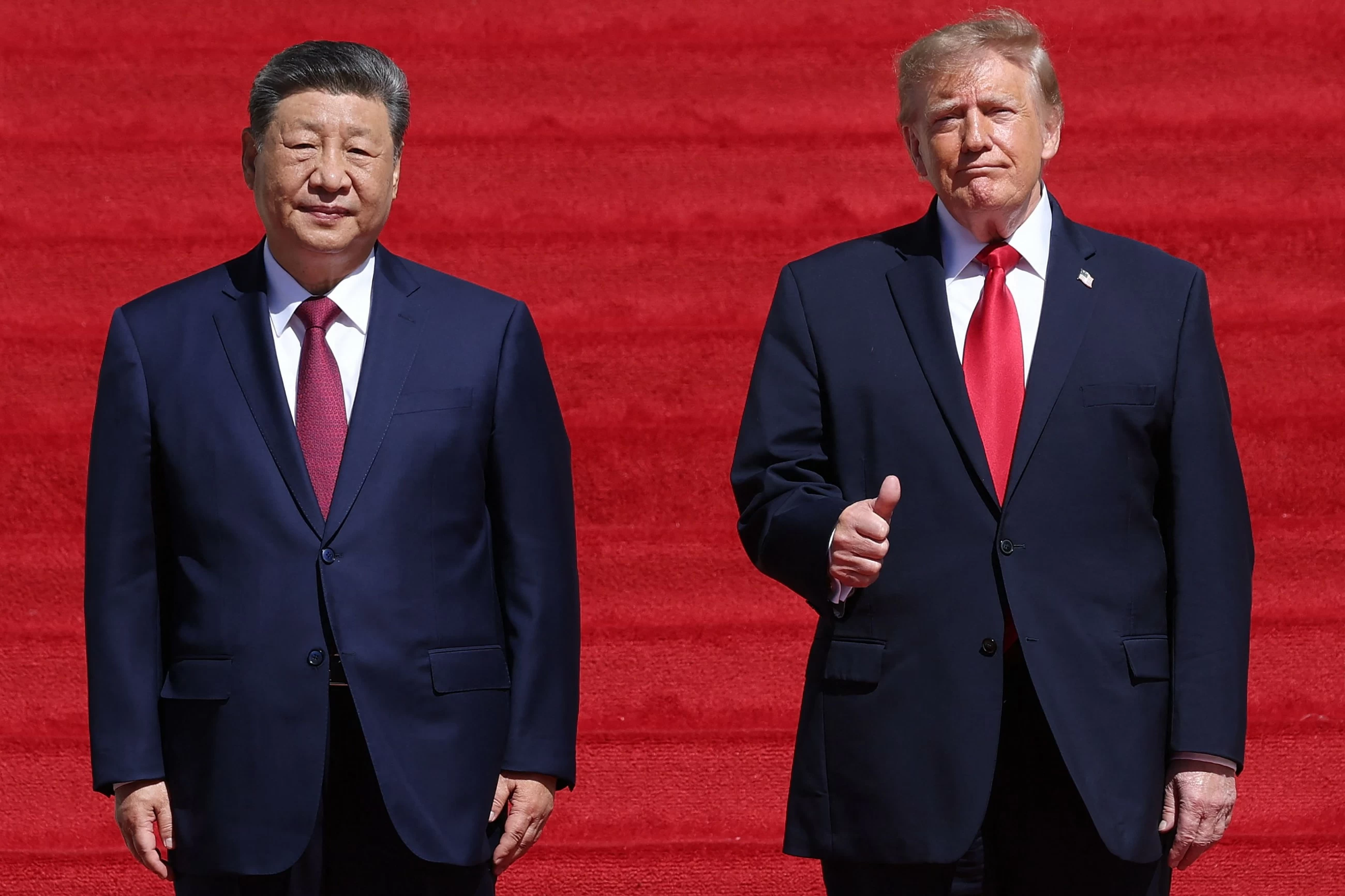
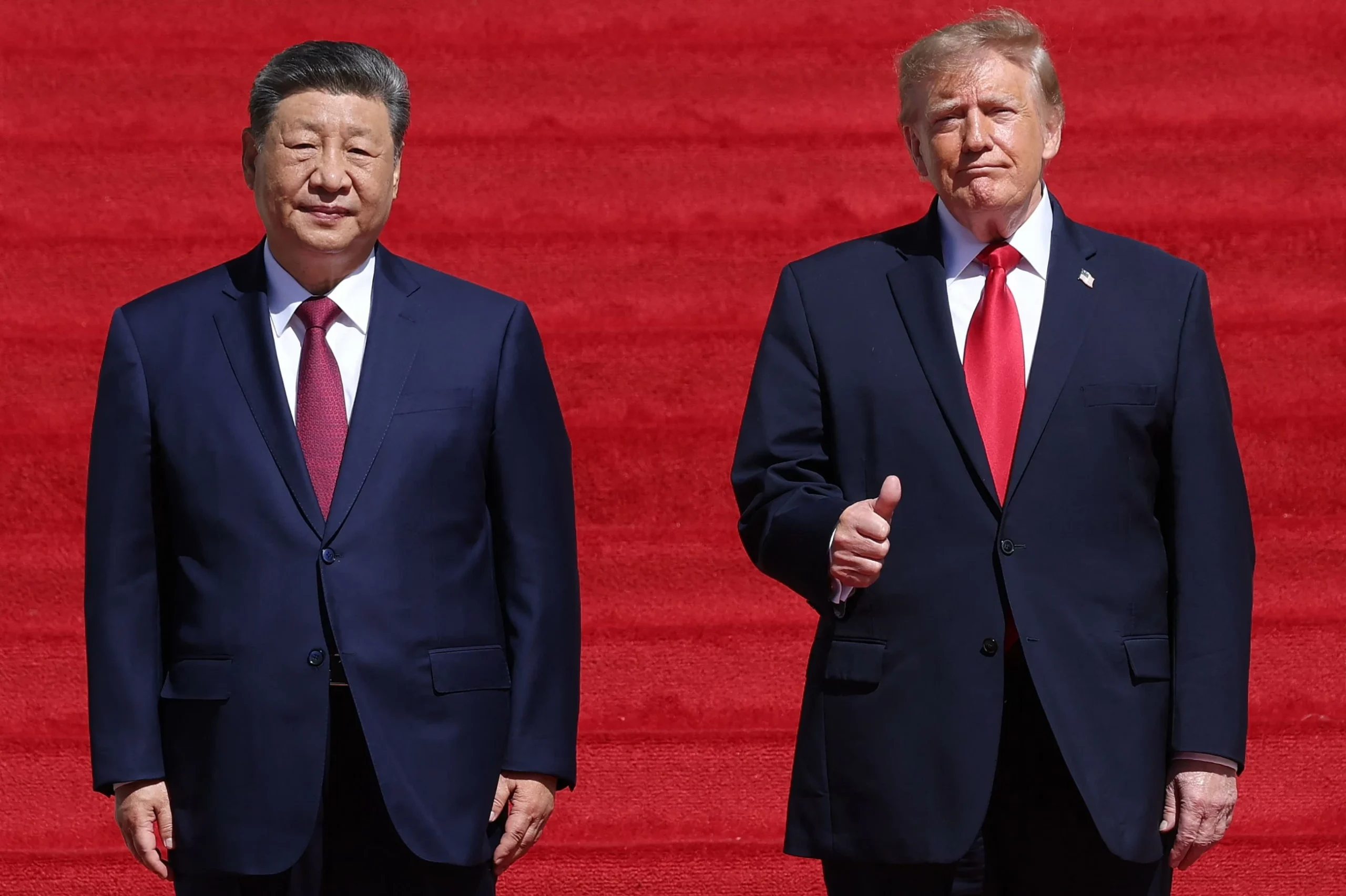
US President Donald Trump and Chinese President Xi Jinping have moved to ease tariffs covering $60 billion in two-way trade and opened a new dialogue on advanced artificial intelligence, producing the first concrete economic and technology outcomes from Xi’s state visit.
A White House fact sheet said the US-China Board of Trade had reached consensus on recommendations for “more favourable tariff treatment” covering $30 billion of non-sensitive goods in each direction.
China’s official account used firmer language. It described an “arrangement for a 30-billion-US-dollar reciprocal tariff reduction” and said the two leaders directed their officials to implement it.
Neither side disclosed the proposed tariff rates, the size of the reductions or when the changes would take effect.
The American goods covered by the recommendations include agricultural products, fish and seafood, logs and wood products, cosmetics and medical devices. Chinese products include small appliances, toys, holiday decorations and children’s car seats.
The Board of Trade also created a working group to address barriers facing agricultural trade. The mechanism and a separate US-China Board of Investment were charted during Trump and Xi’s summit in Beijing in May and formally put into operation during the Washington visit.
The investment board will discuss potential projects and obstacles. It is also intended to provide a regular channel for commercially significant investment disputes.
The White House said China would import at least 10 million metric tonnes of US coal in 2027 and at least another 10 million tonnes in 2028. That commitment was not included in China’s published list of summit outcomes.
Rare earths remain unresolved. Washington said the countries were continuing to work on American concerns about shortages of rare earths and other critical minerals. The goal was to restore shipments to appropriate levels. China’s statement did not mention the issue.
Xi said stable economic relations required cooperation as well as competition.
“Cooperation is a two-way street. To keep the economic and trade ties stable, the list of cooperation needs to be lengthened, and the list of issues shortened,” he said, according to China’s Foreign Ministry.
Personal diplomacy
The agreement follows an earlier move by the world’s two largest economies to extend by two months a trade truce that had been due to expire on November 10, allowing more time to work on a potentially bigger trade deal, US Treasury Secretary Scott Bessent said on Wednesday.
The three-day summit between Xi and President Donald Trump, which ended on Friday, showcased personal diplomacy rather than big public breakthroughs. Xi has since landed in Beijing, Chinese state news agency Xinhua reported on Saturday.
“This historic visit enriched the constructive and stable China-US relationship, upheld the overall stability of bilateral ties, opened a new chapter in China-US relations, and will have a far-reaching impact on world peace and development,” Chinese Foreign Minister Wang Yi said in a statement.
Dialogue on AI
On artificial intelligence, the two sides agreed to hold a dialogue on the technology’s risks and benefits, with the next round of discussions set for November, and to set up a communication channel for AI-related incidents, the Chinese Foreign Ministry said.
The ministry also said in a separate statement that Beijing valued Washington’s use of the term “super intelligence” in place of “artificial intelligence”. As AI technology continues to advance, the two sides should step up exchanges and work toward consensus in line with new developments, it said.
The two sides also agreed to support each other in hosting the Asia-Pacific Economic Cooperation leaders’ meeting and the Group of 20 summit, with both leaders planning to attend the gatherings hosted by the other.
On foreign policy, the leaders agreed that Iran should fulfil its commitment not to develop nuclear weapons, and that no country or entity should impose transit tolls on international waterways, the ministry said.
The US Embassy in Beijing did not immediately respond to a Reuters request for comment.
Agencies