
Where in France are tight water restrictions still in place?
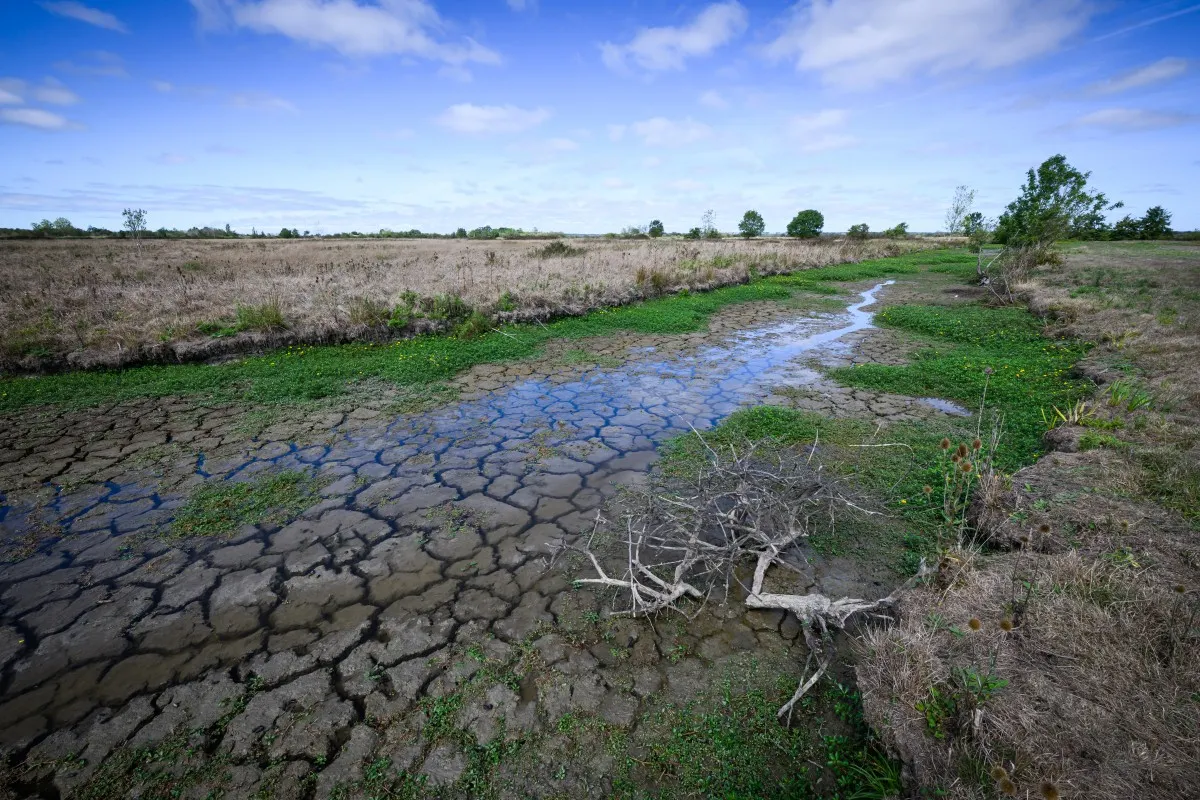
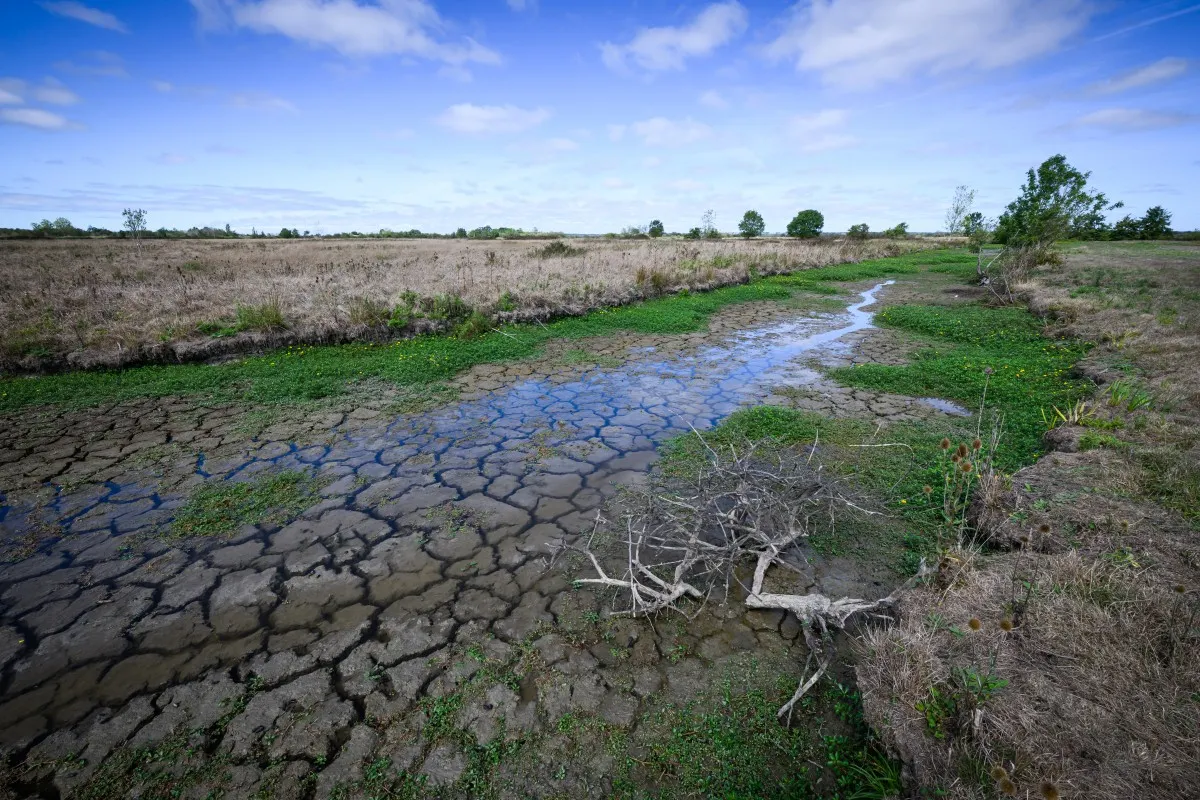
France may have officially entered autumn, but the country’s severe drought is showing little sign of disappearing, with water restrictions still in place across much of the country.
France is heading into autumn with ground level waters extremely low and dozens of departments still subject to restrictions on water use.
According to the French government website VigiEau, 77 départements across France were at the highest level of drought restriction, referred to as ‘crise’, while another 16 were at the slightly lower level of ‘alerte renforcée’ on September 24th.
READ ALSO: EXPLAINED: How to check water restrictions in your area of France
Don’t miss our journalists’ daily news roundup from France
A relatively dry spring was followed by repeated periods of extreme heat in May, June and July. August brought some storms and rain, but these were not enough to reverse the situation.
French forecaster Météo-France said this week that the country had seen almost no significant rainfall since the beginning of September, apart from September 8th.
By September 20th, 84 percent of France was experiencing a level of soil drought that would normally occur only around once every 10 years in September.
This map by Météo-France shows that across a broad southwest-to-northeast stretch of France, soils are drier than ever recorded for this time of year, with parts of Languedoc-Roussillon, Dordogne, Corrèze and Bas-Rhin experiencing unprecedented drought conditions.
What do the various levels of water restrictions mean?
Level 1 – vigilance (pale yellow on the map). The first step is issuing a drought warning. This doesn’t bring in any restrictions, but lets residents know that there is a risk of drought and restrictions could be introduced soon.
Level 2 – alert (orange). The lowest level of alert mainly concerns farmers, who must reduce their water usage by 50 percent. Watering of public green spaces such as golf courses is restricted, and for households, there are limits on car washing, while gardens can only be watered at certain times (usually evening).
Level 3 – alert renforcée (light red). Further restrictions on agricultural water usage and a total ban on household activities such as car-washing and watering lawns or flower beds (watering of vegetable gardens is still permitted during certain hours).
Level 4 – crise (dark red). Ban on all non-priority water usage. Households can use water for drinking, cooking and washing.
Communes at the crise level can impose other restrictions if the situation requires it – up to and including limiting the amount of water households can use per day. In extreme cases where the water runs out totally, local mairies are responsible for distributing drinking water to households.
Saint-Malo
One of the more striking examples is Saint-Malo and the wider Ille-et-Vilaine département in Brittany, which was placed at the highest ‘crise’ level in August, with restrictions still in force in September.
The préfecture said on September 10th that the local water situation had continued to deteriorate. Rainfall at the end of August and beginning of September had been insufficient to reverse the trend, while river levels remained low.
The pressure is particularly significant around Saint-Malo because the area is also preparing for one of its biggest tourist events – the Route du Rhum. This transatlantic sailing race will depart from Saint-Malo on November 1st.
According to France 3 Bretagne, the city could see around 1.5 million visitors during the event. That would mean a major temporary increase in water consumption when the region’s supplies are under pressure.
And unlike during the 2022 heatwave, officials have not yet seen a significant drop in water consumption despite repeated campaigns asking residents to cut back. People in the area are currently using around 55 litres of water per person per day, while local authorities are asking them to reduce this to 40 litres. The recommendations include taking three-minute showers, avoiding baths, only running full washing machines and dishwashers, and cutting back on garden watering.
If the necessary rainfall does not arrive, local authorities could activate the Orsec “eau potable” (drinkable water) emergency plan. In the most serious scenario, this could mean water cuts for households, with bottled water or water distributed in jerry cans potentially being brought in.
What does this mean for people living in France?
Restrictions are decided locally and can differ between départements, river basins and even communes.
If you live in France, the easiest way to find out what you can and cannot do is to enter your address on the government’s VigiEau website. The service shows the current drought level and restrictions applying to your location.
Depending on the level in your area, restrictions can affect things such as: watering your garden or vegetable patch, filling or topping up a swimming pool, washing your car, cleaning terraces, roofs or other outdoor surfaces, agricultural irrigation and certain industrial uses of water.