
GLP-1 companies facing lawsuits over vision loss
Some GLP-1 companies facing lawsuits over rare condition causing vision loss
Some of the companies that produce GLP-1 drugs like Ozempic and Zepbound are facing lawsuits as patients allege that the drugs caused permanent eye damage.
They claim that makers of the drugs should have informed patients of the potential for this side effect.
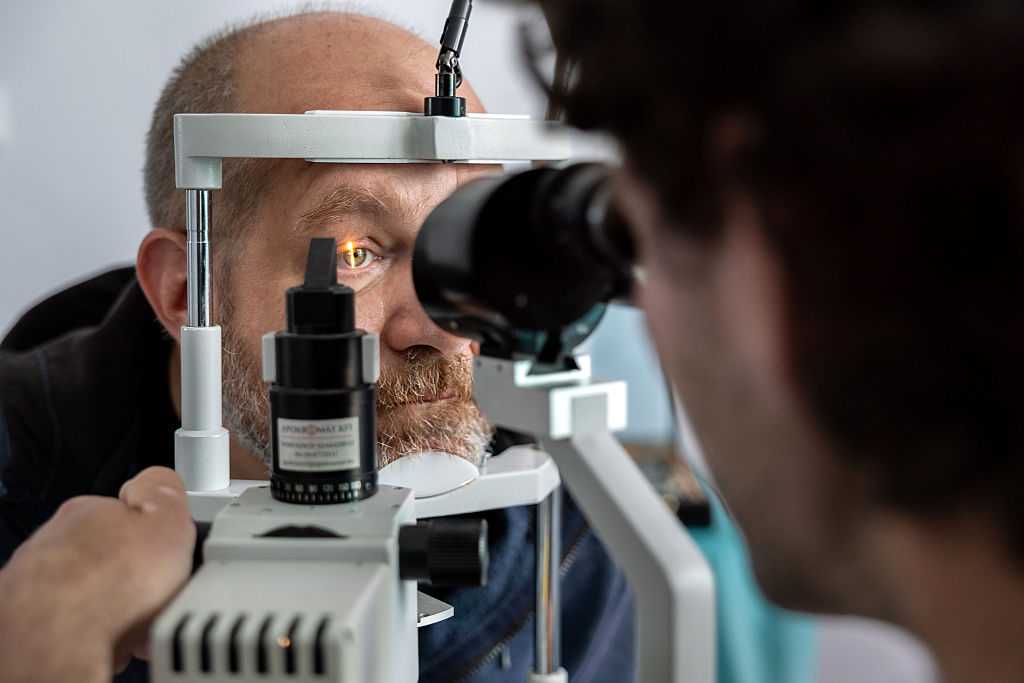
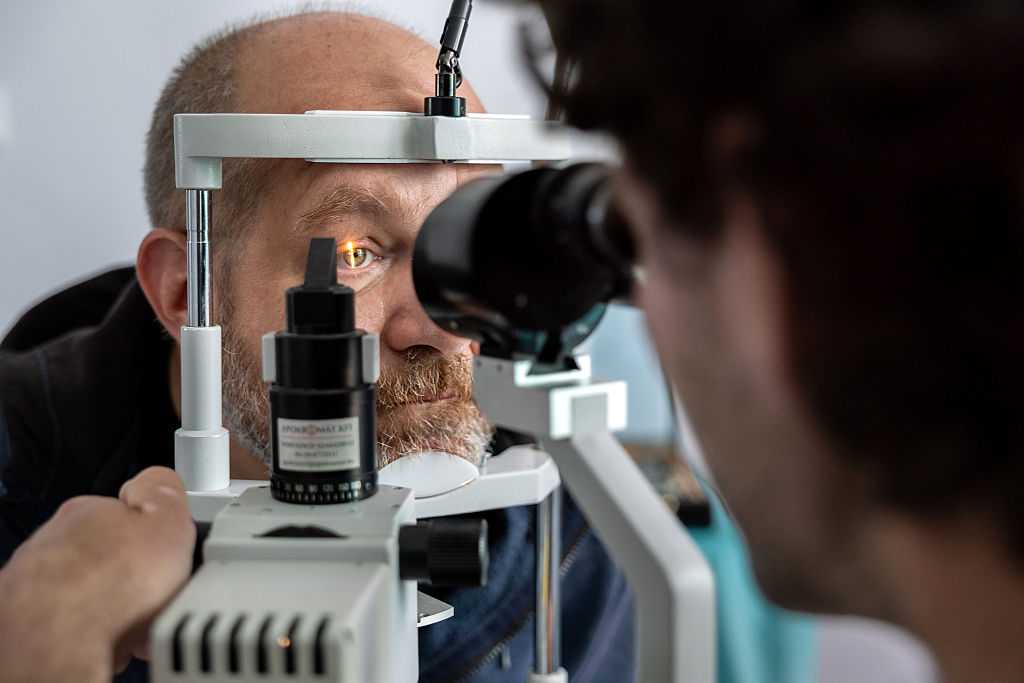
The suits focus on an eye condition called nonarteritic anterior ischemic optic neuropathy, or NAION, which leads to sudden and often permanent vision loss. The vision loss happens when not enough blood flows to part of the optic nerve, which carries visual information to the brain. It’s rare and typically occurs in people 50 or older, and the causes aren’t fully understood.
Almost 100 lawsuits related to the eye condition have been filed in New Jersey since 2025, with another group coming from Philadelphia, according to USA Today.
Some recent research raised concerns about an increased risk of patients taking specific GLP-1s developing the condition. But other studies have found no association, and one of the studies that found a positive association used data from patients of an institution that specializes in eye care, not the general public.
Because of the mixed results, doctors and researchers say there’s not enough evidence to say for certain whether the drugs cause the condition.
NAION is not common, including among GLP-1 users. Even if semaglutide, which is the active ingredient of Ozempic and Zepbound, doubled people’s risk of NAION, that would mean an average of only two out of every 10,000 people taking the drug would develop the condition, the Wall Street Journal reported.
Both Novo Nordisk, the company behind Ozempic and Wegovy, and Eli Lilly, which makes Zepbound and is facing similar but fewer lawsuits, deny that there’s any significant relationship between GLP-1s and NAION. They’ve pointed out in court that people with diabetes, which GLP-1s target, are at higher risk of blindness and other conditions named in GLP-1 lawsuits to begin with.
“Semaglutide has a well-established safety profile, supported by robust clinical development programs, with exposure from post-marketing use of over 58 million patient-years across oral and injectable formulations in obesity and type 2 diabetes,” Novo said in a statement to WCVB Boston.
There’s no information or warning about NAION on GLP-1 labels, but the Food and Drug Administration is investigating the possible link. In other countries, including in the EU, U.K., Australia and Japan, some GLP-1 medications carry warnings about the condition.
People concerned about NAION should discuss the risks and benefits of GLP-1s with their healthcare provider.