ArtRio 2026 Ends With 50,000 Visitors in Rio | The Rio Times
BRAZIL · CULTURE
Key Facts
- —What happened ArtRio 2026 ran from 16 to 20 September at Marina da Glória in Rio de Janeiro.
- —The crowd Organizers put attendance at about 50,000, against about 55,000 reported for 2025.
- —The money R$67.7 million (US$13.2 million) is an estimate of the fair week’s impact on Rio.
- —The catch That figure is not gallery sales, and it is the organizer’s own estimate.
- —Who took part More than 80 galleries, exhibitors and institutions, mostly Brazilian, joined the fair.
- —What is missing No audited attendance count and no total for art sold have been published.
The headline number is not the value of art sold — it is the fair’s own estimate of what the week brought the city.
One-stop reference
Company Intelligence
Every listed company in Latin America — financials, ownership and structure for 1,450+ companies across 26 exchanges, in one place.
Ask Rio Times
17 years of Latin America reporting, on demand.
Answers are generated from Rio Times reporting only â every claim links to its source article.
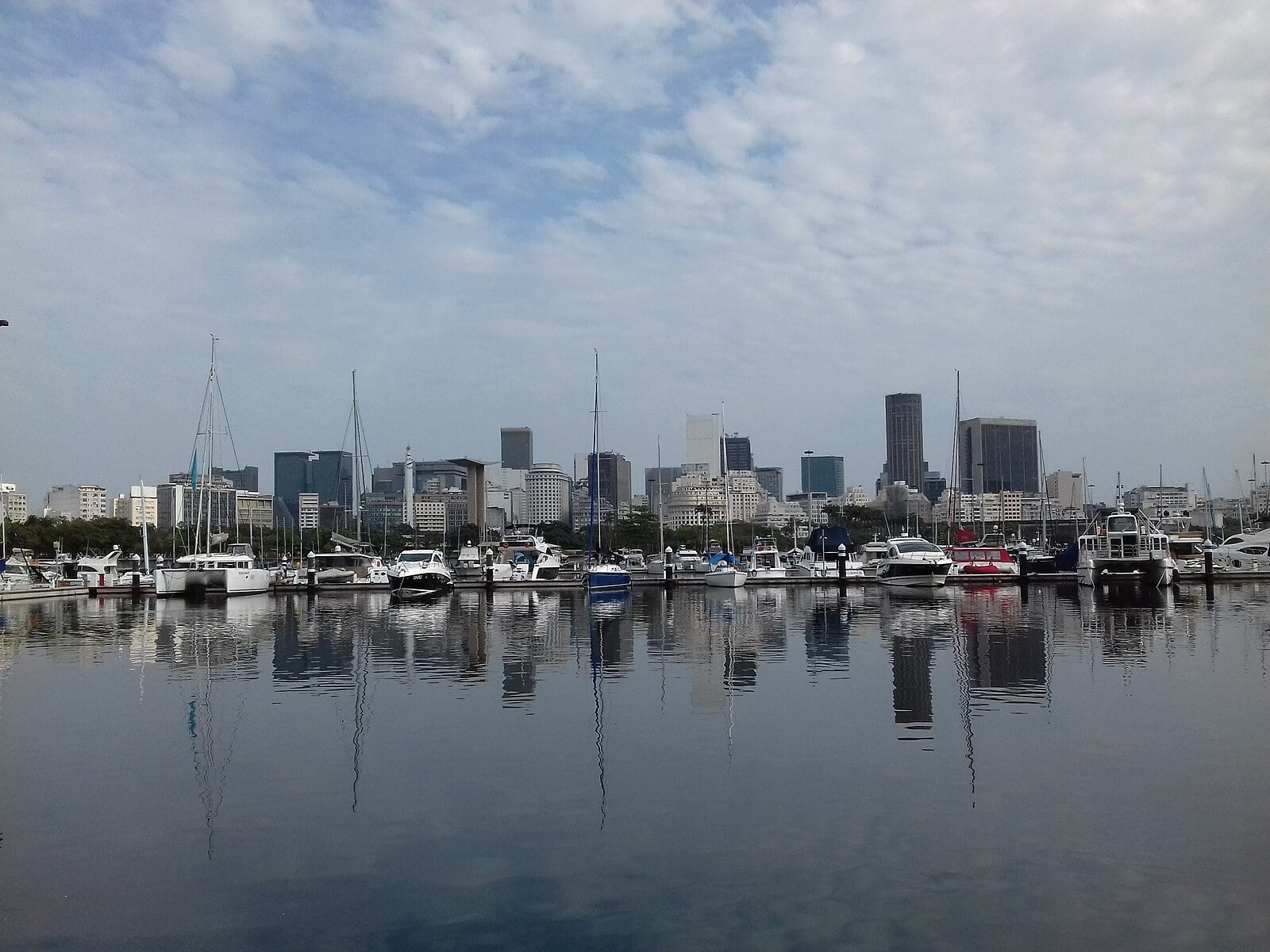
ArtRio 2026 closed on Sunday 20 September at Marina da Glória in Rio de Janeiro. Organizers said about 50,000 people visited the 16th edition of the art fair.
What ArtRio 2026 reported at the close
ArtRio 2026 ran from Wednesday 16 September to Sunday 20 September at Marina da Glória, on Rio de Janeiro’s waterfront. It was the fair’s 16th edition.
The organizers said about 50,000 people came. They also counted more than 80 galleries, exhibitors and institutions, Brazilian and foreign.
The fair is produced by Dream Factory, whose president is Duda Magalhães. Maria Luz Bridger is the artistic director.
Those numbers come from the fair’s own closing release. Brazilian outlets, among them Diário do Rio, published it on 22 September.
That release is a claim by the organizer, not an audit. No independent count of visitors or of sales has been published.
What the big money figure really measures
Headlines placed R$67.7 million (US$13.2 million) beside the fair’s name. The figure is not the value of the art that changed hands.
In the organizer’s own wording, it is an expected economic impact on the city during the week of the event. That is a forecast, not a till receipt.
Such estimates usually cover hotels, restaurants, transport and shopping by visitors. The method behind this one has not been published.
Currency conversions here use about 5.11 reais to the dollar, the rate on 23 September 2026. A weaker real would trim the dollar value.
The organizers also said sales were higher this year. They gave no total, so that claim cannot be checked.
How ArtRio 2026 compares with last year
The 15th edition ran from 10 to 14 September 2025, also at Marina da Glória. Organizers then reported about 55,000 visitors.
For that year they put the fair week’s impact on the city at around R$130 million (US$25.4 million). The 2026 estimate is roughly half as large.
No explanation for the gap has been made public. The two estimates may simply rest on different assumptions.
Gallery counts moved too. The 2025 edition listed 65 galleries plus institutions, while reports this year ranged from 76 galleries to more than 80 exhibitors.
The organizers did not say how many countries were represented. Most exhibitors were Brazilian, mainly from Rio de Janeiro and São Paulo.
What actually sold on the floor
Dealer-level prices give a firmer picture than any single headline number. Brazil Journal, a business outlet, collected them from galleries during the fair.
Galatea sold a 1981 oil painting by Roberto Burle Marx for R$900,000 (US$176,000). Pinakotheke sold two works by José Pancetti at R$350,000 (US$68,500) each.
Galleria Continua sold a large painting by Cristina Canale for US$80,000. Vermelho said its stand sold out on the first preview day.
Much of the trade sat between US$10,000 and US$80,000. Dealers described the market for established modern masters as slower and more selective.
Gustavo Rebello Arte placed a 1947 work by Gyula Kosice with an asking price of R$700,000 (US$137,000). The buyer was an executive at an international bank who collects in Buenos Aires.
Who came, and why the fair cares
Sheikha Al-Mayassa bint Hamad Al Thani, who chairs Qatar Museums, visited on 15 September. Bridger described it as the fair’s first visit by a collector of that weight from the Middle East.
Curators from Madrid’s Reina Sofía museum, Turner Contemporary in England and the Wexner Center for the Arts also came.
Visits like these matter to galleries because museums buy slowly but publicly. A work placed in a museum lifts an artist’s standing for years.
The fair donated Emi, a work by the Brazilian artist Nádia Taquary, to the Museum of Modern Art in Rio. It came from the Portas Vilaseca gallery.
ArtRio 2026 also opened the city’s new art and culture week, run with Rio’s culture department. That programme listed about 450 events.
What it means for expats and investors
For readers living in or invested in Latin America, the lesson from ArtRio 2026 is about labels. An impact estimate and a sales total are not the same thing.
Rio’s culture calendar does move money through hotels, restaurants and taxis. How much, in this case, rests on a forecast the fair has not explained.
What is not known is easy to list. There is no audited attendance figure, no total value of art sold, and no published method behind the estimate.
Anyone weighing a gallery stake, an art purchase or a hospitality bet should ask for dealer-level numbers. For parts of this fair, those exist and are specific.
If ArtRio publishes a fuller account later, the picture will be easier to judge. Until then, the safest reading is a solid fair in a cautious market.
Frequently Asked Questions
What does the reported 67.7 million reais (about US$13.2 million) figure actually mean?
It is the organizer’s estimate of the fair week’s impact on Rio’s economy, about US$13.2 million. It is not the value of art sold.
How many people visited the fair?
Organizers reported about 50,000 visitors. That is below the roughly 55,000 they reported for the 2025 edition.
When and where was ArtRio 2026 held?
It ran from 16 to 20 September 2026 at Marina da Glória in Rio de Janeiro. It was the fair’s 16th edition.
Sources: ArtRio’s closing release for its 16th edition, as published by Diário do Rio, 22 September 2026; Brazil Journal; The Art Newspaper; Agência Brasil; ArtRio’s 2025 closing figures as reported by Brazilian media.