
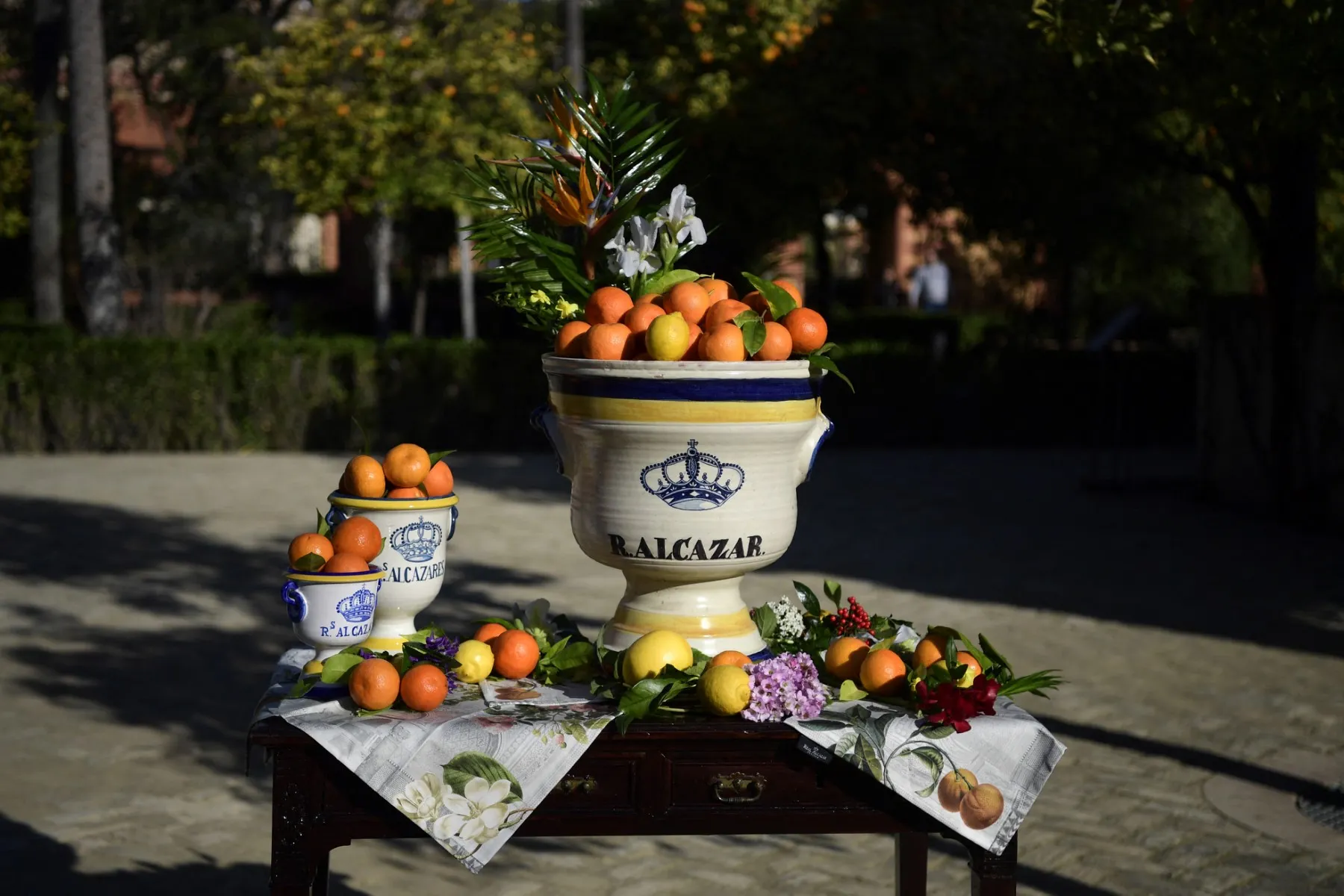
Why does citrus-producing Spain import so many oranges?
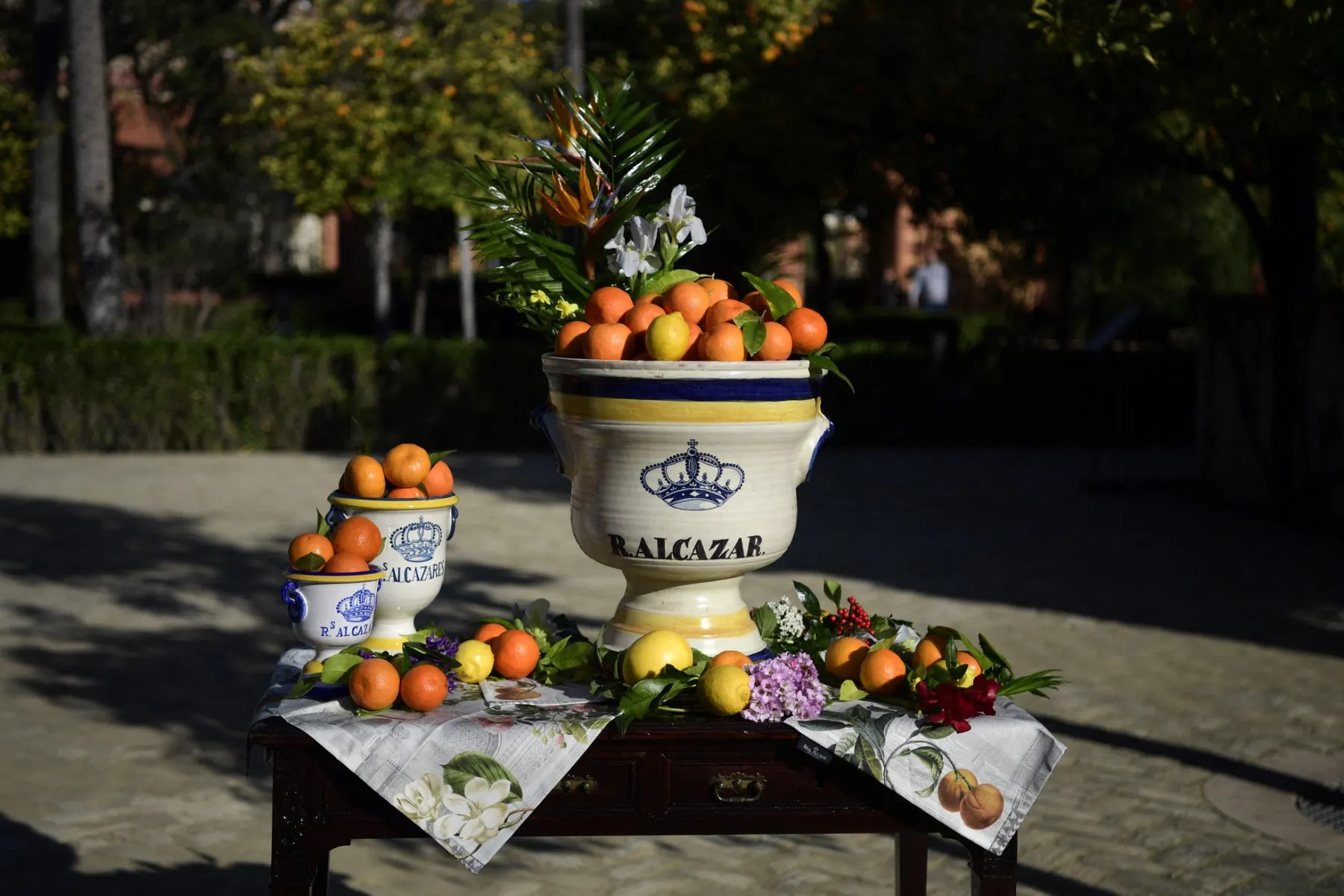
Spain is long-established as one of the world’s major orange producers, but a combination of factors mean that ‘naranjas’ from South Africa, Morocco and Egypt increasingly line Spanish supermarket shelves.
Oranges are for many foreigners as synonymous with Spain as bullfights or Costa Blanca beaches.
For those of us from abroad, notably northern European countries, it’s likely that whenever we perused the supermarket shops back home, we’d be buying Valencian or Andalusian produce packed up and exported.
Spanish naranjas are renowned the world over, that’s clear. Brits, for example, have long used Seville’s bittersweet oranges to make marmalade, and in cities like Valencia orange trees line the streets (although the fruit they produce isn’t deemed fit for consumption).
But visit a local frutería or take a stroll down Spanish supermarket aisles at certain times of the year, and increasingly you’ll see that they stock not only their own local produce, but also oranges from South Africa, Morocco or Egypt.
How is it possible that the sixth largest citrus producer in the world and the first in the European Union needs to import oranges?
Record-low harvests
Record-breaking low citrus harvests could partly explain Spain’s need to import more oranges.
Spain is still the EU’s top producer, and the Ministry of Agriculture figures showed some 2.72 million tonnes were exported in 2025/6. However, this was a 11.6 percent drop-off year-on-year and 14.4 percent below the average for the previous five harvests.
Overall, last year was Spain’s lowest citrus harvest in 16 years.
Figures from trade group Valencia Fruits citing Spain’s customs agency Fepex shows orange export volume dropping by 11.2 percent in the first half of 2026, to 790,297 tonnes, and by 8.1 percent in value, to €774 million.
Cheaper alternatives
Imported oranges from abroad are often far cheaper, too, further undercutting Spanish growers.
In addition to Morocco and South Africa, Egypt has in recent years become a major citrus fruit sector exporter and exported more oranges.
In 2025, it exported around 2 million tonnes of citrus fruit, and its orange exports to the EU totalled some 347,000 tonnes between January and November, compared with 188,000 tonnes in 2016.
Egypt has lower production costs than Spain across various sectors, which is reflected in consumer prices, so for some Spanish importers the economic rationale for buying cheap Egyptian oranges, at least at certain times of the year, is clear.
In the case of South Africa, the EU has pledged to phase out tariffs on South African oranges, allowing them easier access to the market – another reason to buy from abroad for many in Spain – and this comes as South Africa recently took Spain’s position as the world’s largest citrus exporter by volume.
Seasonal considerations
Of course, the orange growing season underpins all this.
According to Spanish supermarket giant Mercadona, this is all seasonal: “As every year, during the Spanish orange season — which starts around November and finishes around August — we offer 100 percent Spanish oranges from Spanish suppliers with groves in Andalusia, the Region of Murcia, the Valencian Community, the Canary Islands, and Catalonia.”
Crucially, it adds: “We only import oranges from mid-August to around November, once the national harvest has been used up and there is no Spanish production during those months.”
It makes sense, presumably, that Spanish oranges aren’t in season so suppliers look elsewhere. This explains why at certain times of year, Spanish supermarket shelves stock South African or Egyptian oranges.
The EU’s Mercosur agreement
However, Spanish farmers say this compounds the underlying problem.
The figures show that Spanish oranges are losing their market hold not only in Spain but across Europe. This trend reinforces warnings long issued by orange growers, who say that the seasonal model means imported oranges take advantage and grow their market share when Spanish oranges aren’t being sold, something that, over time, replaces them with lower quality produce.
Many Spanish growers have raised concerns about safety and standards on imports from certain countries. Farmers across Europe have protested against the EU-Mercosur trade deal claiming it distorts competition and allows an inflow of cheaper agricultural imports that do not meet the strict environmental, health, and labour standards required in the EU.
“We lose market share at certain times; imports grow and the production shortfall we have is filled by others,” says Carles Peris, general secretary of the Unió Llauradora.
Peris said that the space left by Spain is quickly filled: “When we leave a gap, others step in to fill it,” he notes. “It’s clear that others are putting pressure on us and taking market share away from us.”
Cristóbal Aguado, president of the Valencian Farmers’ Association, has spoken plainly of the “alarming substitution” and estimates that European citrus fruits have lost 8.6 percentage points of market share over the past decade to those from third countries.
“We have long been calling on the EU institutions to review all current trade agreements – particularly those with South Africa, Egypt, Turkey and Morocco – so as to ensure full reciprocity; in other words, a level playing field for European producers and foreign producers entering the European market,” he added.
READ ALSO: 11 fruits and vegetables eaten in Spain that aren’t common elsewhere