How Spain’s Valencia is trying to prevent another deadly DANA flood
This week’s torrential rain in Valencia served as a reminder of how flood-prone it remains two years after floods killed 230 people. Authorities are now working on ways to avoid future tragedies, from so-called ‘sponge cities’ to a 16-day warning system.
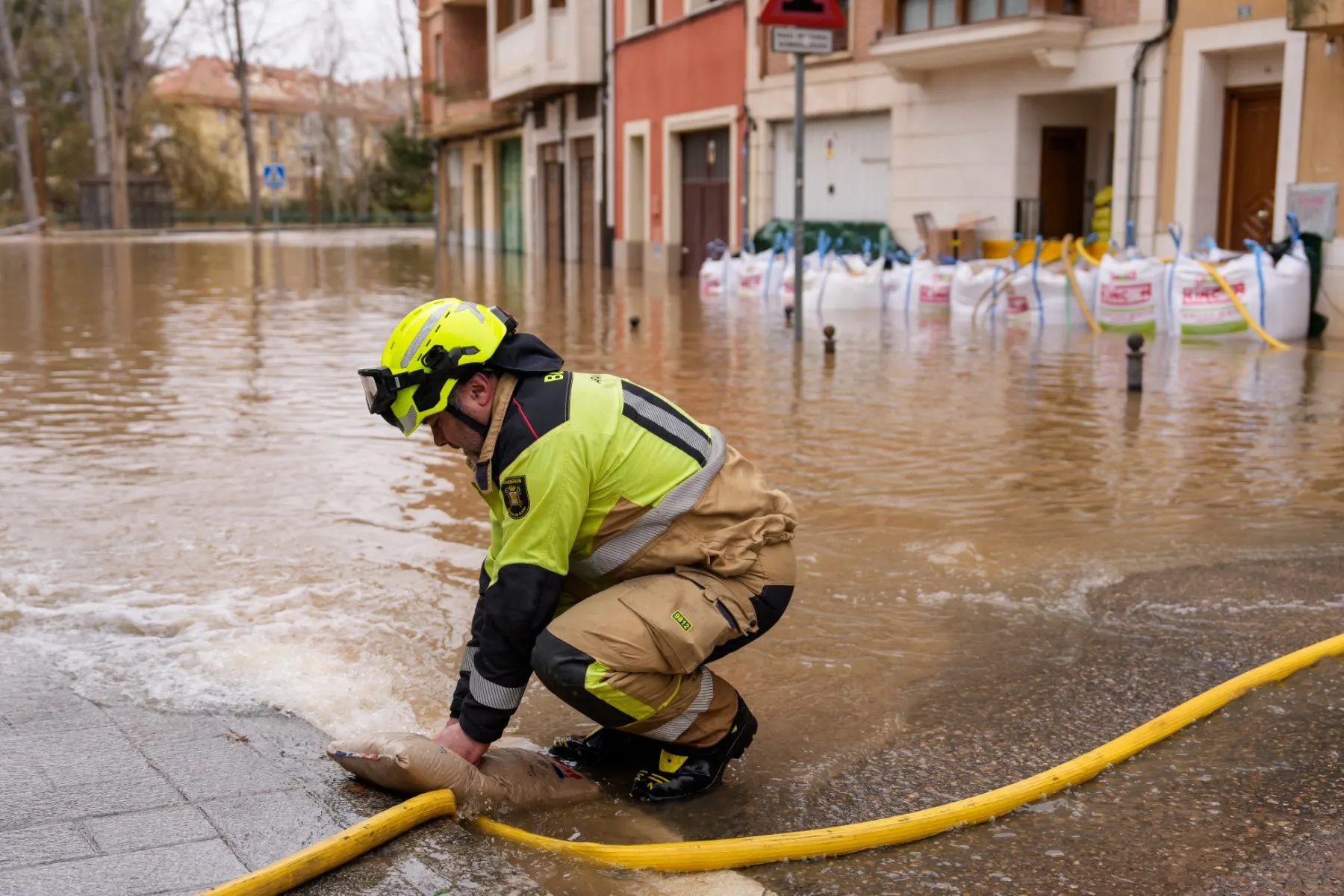
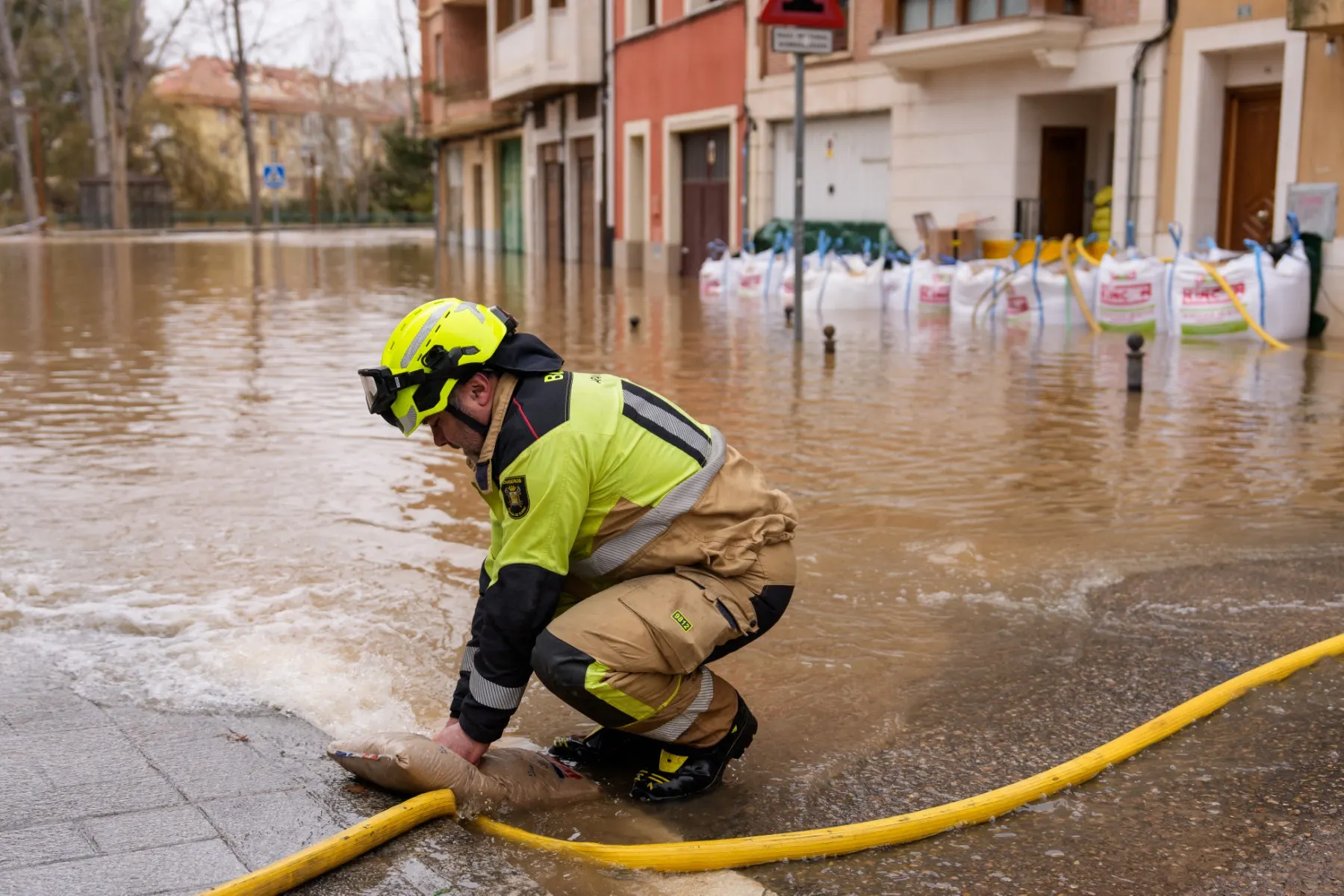
Eastern Spain was hit by torrential rain on Wednesday, causing flooding, school closures, damage to public property and over 1,000 calls to the emergency services in the Valencian Community.
For many the downpour in the Mediterranean territory produced uncomfortable memories of the deadly DANA storm in October 2024, which killed over 230 in the region and caused over €17 billion in damages.
READ ALSO: What exactly in Spain’s DANA weather phenomenon?
The Local Spain previously analysed why there are fears of more serious flooding this autumn. Scientists have found that in large areas of the Mediterranean, from Spain over Italy, the water temperature has far exceeded average values this summer, reaching around 30C.
This gives rise to intense evaporation and allows air masses over the sea to accumulate large amounts of moisture and energy, making DANA-style events more likely.
READ ALSO: Why there are fears of more serious floods in Spain this autumn
With all that in mind, the authorities in Valencia are working on flood prevention plans and updating infrastructure to store rainwater and even create a network of ‘floodable parks’.
Training drills and ‘sponge cities’
Authorities in Valencia and the towns in the affected flood area have focused efforts on implementing and updating flood prevention plans.
This could be small-scale initiatives on a local level, such carrying out evacuation drills (as in the case of the La Torre district) and developing training programmes to teach the public how to respond to adverse weather conditions.
The town of Picanya will rezone land in anticipation of future floods, after the local council put forward a plan to demolish the houses and turn the street into a floodable park/floodplain in anticipation of future flooding.
In Algemesí, another area affected by the flooding, a large underwater stormwater reservoir will be installed to prevent water from pooling in the streets. The drains will be widened from 80 centimetres in diameter to 1.5 metres, which will double their capacity.
On a regional level, the Valencian government is currently working on two ways of preparing for floods and extreme weather.
The first is by using so-called ‘sponge city’ technology and infrastructure to capture rainwater and prevent flooding.
According to Spanish daily El País, which covered the idea here, “the concept of ‘sponge cities’ is attributed to the Chinese architect and urban planner Kongjian Yu, who promoted the idea of an urban planning model designed to capture rainwater and reduce flooding in the face of climate change.”
The Valencia area and surrounding towns will be linked by a large-scale project involving ‘floodable’ parks, with the 1,485-hectare area featuring “more than 72 kilometres of green and riverine routes linked to the Poyo and Turia river basins”, according to the Regional Ministry of the Environment.
Two-week warning system
The second step is the creation of an early warning system which will enable warnings of potential flooding to be issued up to 16 days in advance, according to reports in the Spanish media.
The contract has been put out to tender once awarded, the company will have 20 months to develop the system, meaning it could be functional some time in 2028.
This system will not be directly accessible to the public, however, but will be used by the authorities to coordinate with the emergency services and local councils.
It is a system designed to rectify what is seen by many locals as the main mistake during the 2024 floods: when ES-Alert alerts reached the public only once it was already too late to seek safety and many were already dead.
How does it work?
The Valencian government’s new early flood warning system will be designed to anticipate potential flooding, rather than simply reacting once water levels have already begun to rise.
The tool will enable alerts to be issued and will help manage floods in real time based on various meteorological variables and their development, using both observed data and simulations.
One of its key new features will be the ability to forecast potential flooding up to 16 days in advance, according to the model put out to tender by the Consell. To achieve this, it will combine weather forecasts with real-time rainfall data and utilise hydrological and hydrodynamic models capable of simulating how water will behave across the region.
The system will thus analyse how much water may accumulate, how the flow rate may evolve and which areas could be affected, taking into account the characteristics of each catchment area.
It will also identify which vulnerable locations might be affected, such as schools, roads or hospitals, and provide recommendations to local councils so that they can make decisions before an emergency arises.
READ ALSO: How torrential rain in eastern Spain is impacting travel and daily life