Are AI ‘pervert glasses’ legal in France?

The EU is considering legislation, but in the meantime what is the legal situation in France – a country with famously strict privacy laws – when it comes to the smart glasses which can be used to surreptitiously film or take photos?
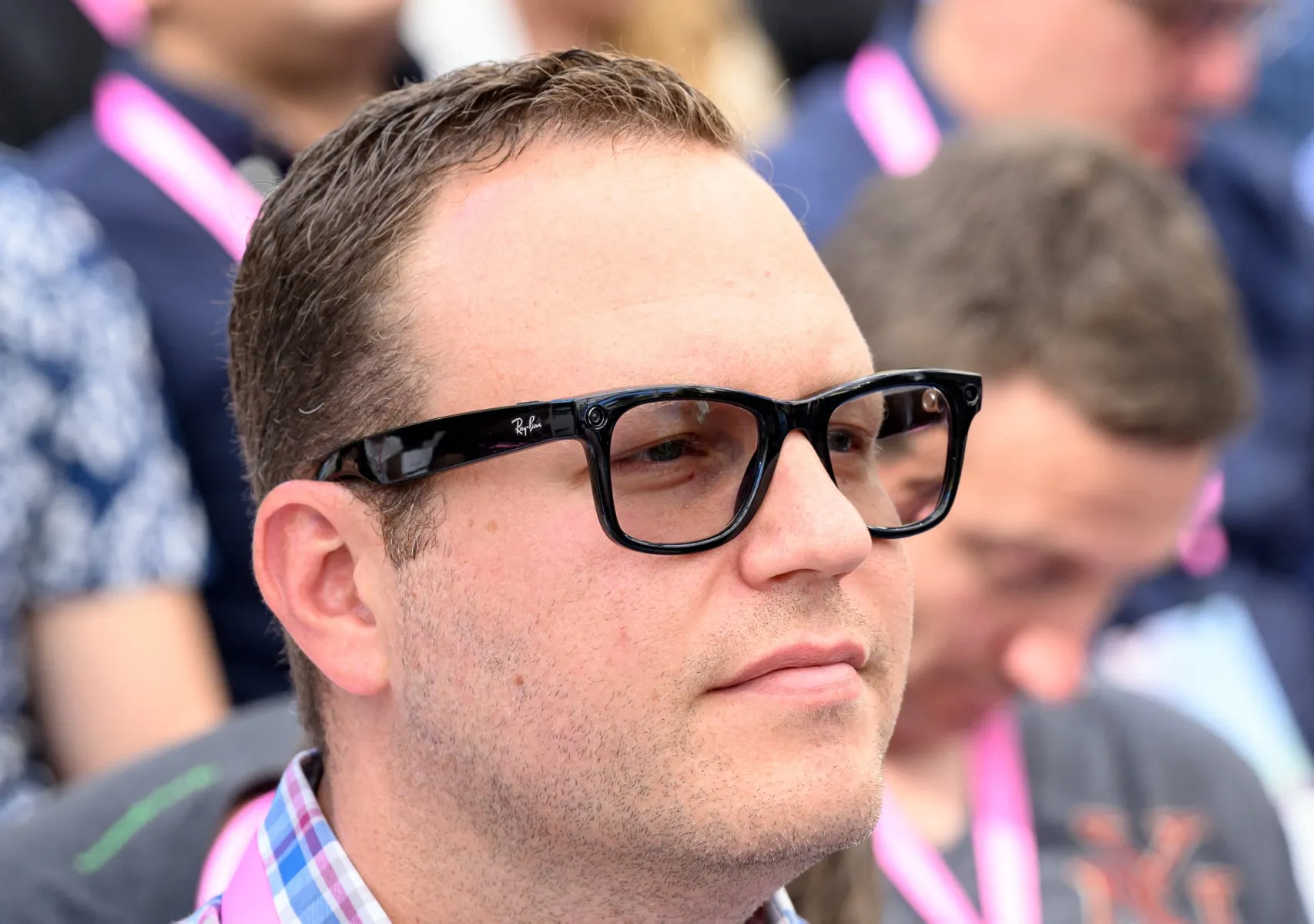
Sales of the smart glasses, which allow wearers to take photos, film videos, listen to music, make phone calls, translate text or interact with an AI assistant, are soaring – but so are the privacy concerns around them.
The best known brand is from Facebook-owner Meta, but other companies are also bringing the glasses to the market, leading to growing fears about the potential for abuse, with critics dubbing them ‘pervert glasses’.
In one case, a 17-year-old girl told British broadcaster Channel 4 News in August how she had been approached by a man who covertly recorded her and their interaction.
Contacted by AFP, Meta said it has taken multiple steps to prevent tampering with the blinking LED light intended to show other people the device is recording – a key concern of critics.
The EU is reportedly considering the issue, EU lawmaker Veronika Cifrova Ostrihonova told AFP she raised the issue with the bloc’s executive after the first cases of women being secretly filmed, seeking to know if the glasses comply with data protection and AI rules.
“I am still awaiting an answer,” the Slovak lawmaker said.
“We need clear EU rules to protect and strong enforcement to make sure new technologies don’t come at the expense of our fundamental rights,” she said.
But in the meantime, what is the situation in France, a country that has strict laws about filming or photographing people in public?
New legislation
There is, as yet, no specific legislation in France around the glasses – lunettes connectées in French – although they are also attracting the label lunettes de pervers (pervert glasses).
However, the country’s data protection watchdog, CNIL, in May 2026 launched a ‘call for vigilance’ and revealed that a survey that it conducted earlier in the year showed that 67 percent of French people believe that they pose a risk to privacy.
They also concluded that data collected by the glasses – images and video – falls under the scope of the European GDPR data protection law, as well as French domestic data, while filming or taking photos with the glasses would be covered by France’s privacy laws (more on them below).
When it comes to privacy issues, CNIL highlights particular concerns about the use of the glasses in “locations with the expectation of a high degree of privacy such as doctors’ offices, toilets and changing rooms.”
They conclude: “The rise of smart glasses could pose a significant risk of widespread surveillance and lead to its normalisation: anyone could potentially be equipped with a camera in all public spaces (streets, stores, beaches, etc.) and private spaces (homes, workplaces, etc.). The relatively low cost of these devices could lead to a saturation of public spaces with sensors.”
CNIL is, however, ultimately a watchdog and does not have the power to create legislation – it is continuing its consultation events and is engaging with lawmakers on both a French and an EU level.
Existing legislation
However, there is existing legislation that covers filming and taking photos in a public place – and that applies to filming with the glasses as well as with a traditional camera or with a smartphone.
Article 9 of the Civil Code guarantees everyone’s right to privacy in all places – both private and public – and any violation of this right is punishable by law.
Article 226-1 of the Penal Code specifically punishes, with up to one year of imprisonment and a fine of €45,000, the act of infringing upon another person’s privacy by capturing, recording, or transmitting, without that person’s consent, the image of a person located in a private place. In this context, the definition of a ‘private’ space is wider than you might expect and, for example, includes inside a car.
It’s worth noting that the person has to consent to be filmed/photographed – simply informing them, via a blinking red light that is included on smart glasses to show that they are filming – is not enough.
There’s also the ‘droit à l’image‘ – right to one’s own image – which states that everybody has a basic right not to have images of themselves published against their will, that includes images published on social media as well as by traditional media.
The law on publishing all types of images of under-18s is very strict, while relatives can make a complaint about the use of a dead person’s image if the publication adversely affects their reputation.
The legislation is most commonly used by celebrities seeking damages against photographers, but it can be applied to any member of the public – that doesn’t mean that paparazzi photos don’t exist in France, sometimes news organisations decide that it’s worth paying the fine if they think the photos are especially good.
But the strict privacy laws mean that France has less of a culture of public filming, and it’s considered good manners to ask permission if you intend to take a photo or a video of someone in a public space.
READ ALSO: EXPLAINED: Just how strict are France’s privacy laws?
Private companies – businesses also have the right to impose their own rules and dress codes, and can ban people from wearing the glasses on their property if they wish. There are growing reports around Europe that businesses, including restaurants, beach clubs or shops, are excluding customers who are wearing the glasses.