S’pore parents spending more on tuition and enrichment; peer pressure cited as reason: Survey
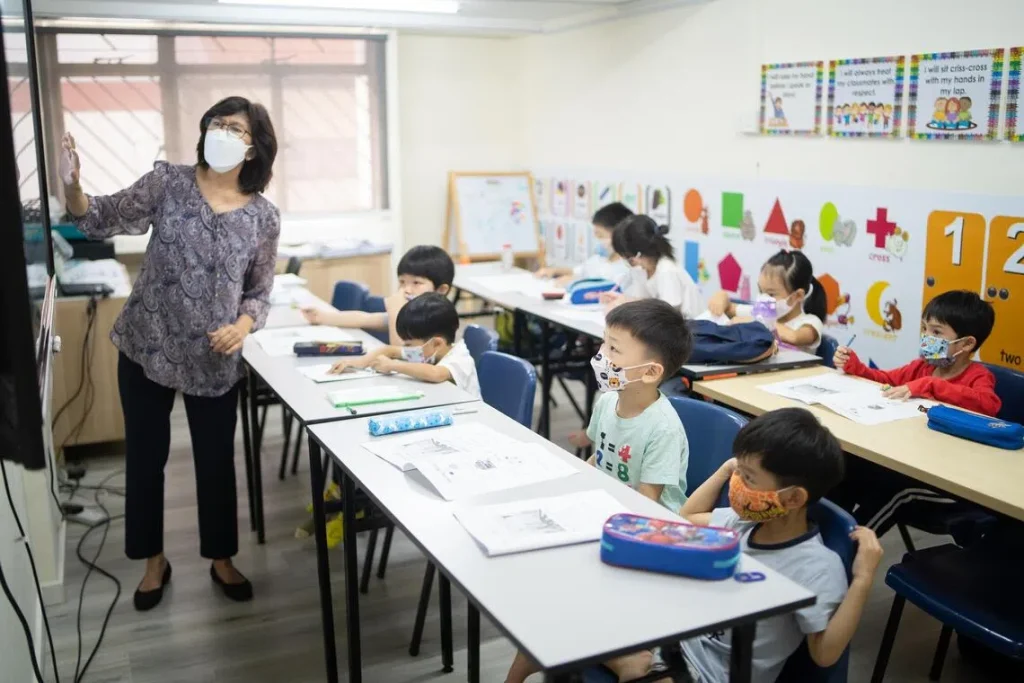
SINGAPORE – Families’ tuition and enrichment expenses have risen in the past decade, with those in private homes spending more money on such extra classes outside school.
Parents spent $500 monthly on private tuition in 2026, compared to $242 in 2016. Similarly for enrichment classes, spending increased from $48 to $260 during the same period. The 2016 figures have been adjusted for inflation.
They spent more in tuition and enrichment even though nearly nine in 10 parents (89.8 per cent) agreed that children in Singapore spent too much time in these areas, according to a 2026 study conducted by the Institute of Policy Studies (IPS).
Yet seven in 10 said they would spend more on tuition and enrichment, with about half citing peer pressure as a reason for sending their children for extra classes.
Parents said their main motivation for tuition was not to address their children’s weaknesses, but to help them reach their full potential.
The study also showed that tuition and enrichment time varied by housing type.
Children living in one- to three-room HDB flats spent an average of 2.53 hours a week on tuition and enrichment, compared with 5.01 hours for those in landed homes and 4.29 hours for those in condominiums or private apartments.
However, the amount of time family members spent on academic coaching did not follow the same pattern.
Parents living in one- to three-room flats spent the most time on academic coaching, at 4.50 hours a week. Those in four-room and five-room flats spent 4.12 and 3.87 hours respectively.
Academic coaching was also relatively high among condominium or private-apartment households and landed households, with parents spending 4.30 and 4.70 hours respectively.
The researchers said this suggests that greater use of paid tuition and enrichment among private-housing households does not necessarily replace academic support provided within the family.
A large majority of parents (84.9 per cent) agreed that tuition gave their children an advantage in the Primary School Leaving Examination (PSLE), while three-quarters said their children needed it to keep up with schoolwork and, more importantly, to prepare for exams.
The study was conducted from May to August 2026 and involved 1,500 Singaporeans and permanent residents aged 21 to 65 who had at least one child in a local primary school during the study period.
It builds on an IPS study in 2016 examining parents’ attitudes and perceptions of Singapore’s education system.
Although children spent more time on tuition and enrichment outside school, they spent less time on homework than they did a decade ago – 4.3 hours a week in 2026, down from 6.46 hours in 2016.
The study also examined parents’ views on schooling choices, the PSLE and the Direct School Admission (DSA) exercise.
While DSA was viewed positively by more than four in 10 parents, 75.8 per cent said they would prefer their child to enter secondary school based on PSLE results. Some 57.5 per cent said DSA was a possible option for their child and that it better recognised their child’s strengths.
When choosing schools, parents increasingly valued holistic fit, but academic signals remained important.
For primary schools, parents rated teachers who cared for students’ social and emotional development as the most important. Other factors included the history of students enrolling in reputable secondary schools, the competitiveness of the environment, the alumni network and records of good PSLE scores.
When selecting secondary schools, parents prioritised the holistic fit of the school for their child.
Factors such as character and values, discipline and the child’s own preference were rated very highly, with more than 88 per cent of parents placing importance on each of them.