Will the divided Spanish left have an impact on the general election?
Political parties to the left of PM Pedro Sánchez’s ruling Socialists are fragmented, something that pollsters say could prove pivotal at Spain’s general election on November 29th.
Pollsters have long predicted that Spain’s right-wing bloc will win a majority at the next election, scheduled for November 29th.
By calling a snap poll on the back of housing protests, Prime Minister Pedro Sánchez, considered among the most calculated politicians in Europe, attempted to take back the initiative and kick-start the campaign following the defeat of his housing decrees in Congress.
If anyone could defy the polls, pundits said, it would be Sánchez the political survivor rallying the left to win another surprise victory, as he did against the odds (and polls) in 2023.
READ ALSO: How Trump could influence Spain’s snap election
Soon after, however, it emerged that the parties to the left of Sánchez’s governing Socialists (PSOE) weren’t ready or unified enough to run on one ticket — something that, under Spain’s proportional representation system, is key to winning governable majorities.
Then the recent deadly train crash in Toledo, Spain’s second of the year, further cemented the feeling that this is a sea change election and the Sánchez-era will soon be over.
READ ALSO: Why have there been several deadly rail crashes in Spain this year?
The alleged corruption and policy missteps (notably on housing) all play a role in this, of course, but so too does the lack of a united party to his left making the reelection of a left-wing government even more unlikely.
Why is the Spanish left so fragmented?
Put simply, competing ideological and geographical tensions trying to organise under one political tent.
Whereas the Spanish right is split between the centre-right PP and far-right Vox, the Spanish left is fragmented between competing groups: the communists, notably the PCE, organised via Izquierda Unida (IU), as well as various grassroots anti-capitalists and protest groups. green and environmental groups; and then the array of regionalist and separatist groups in regions like Catalonia and Galicia.
This can make agreeing on a name, leadership, logo, direction or policy difficult. Ego, rivalry, and ambition all also play a role in left-wing infighting.
How could this impact the elections?
Make a right-wing majority likely, basically.
The so-called Broad Front (Frente Amplio) was cobbled together in September by some of the parties to Sánchez’s left but not all of them, and its divided makeup means that the leftist bloc will likely lose out in rural areas with less seats that don’t reward parties running alone.
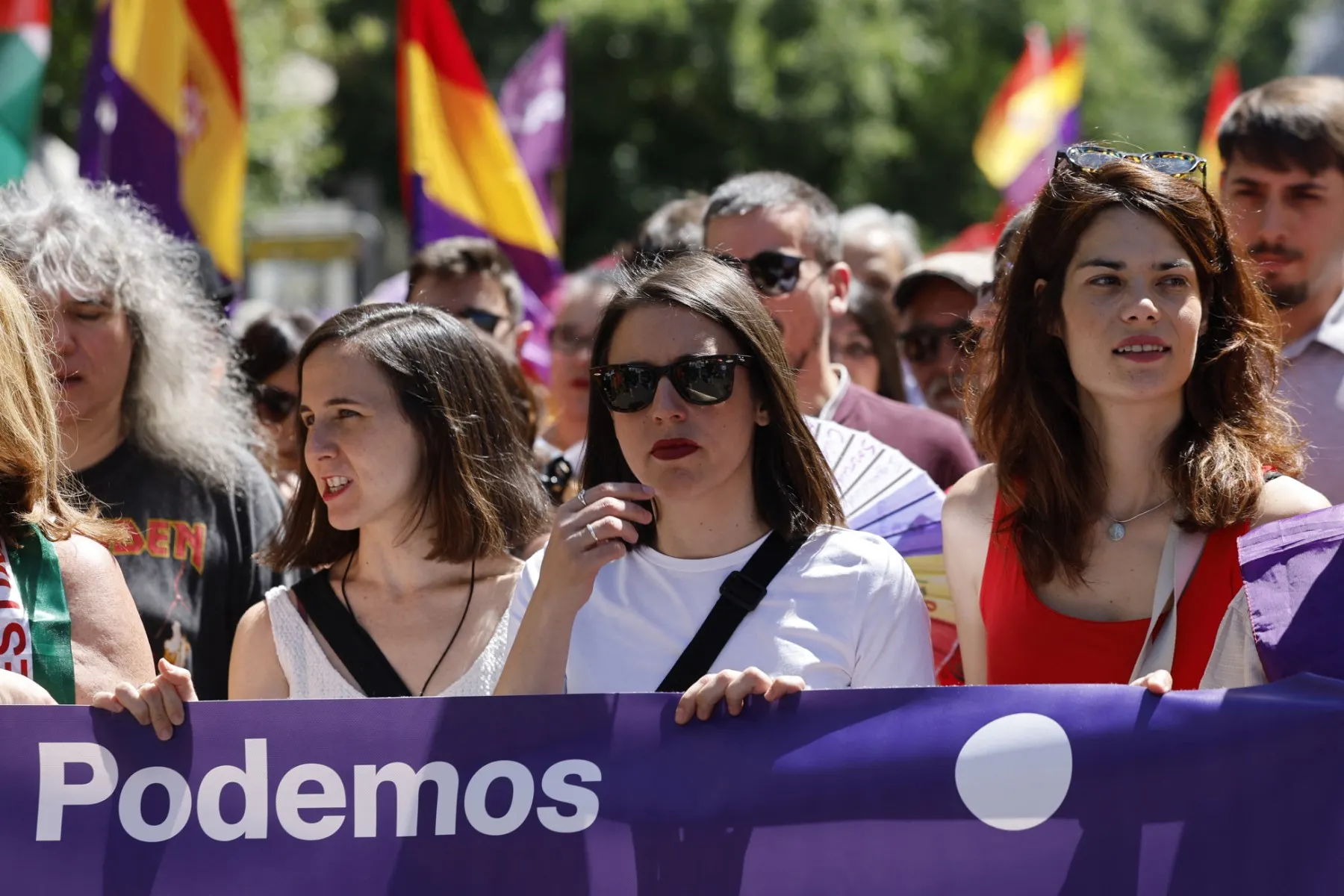
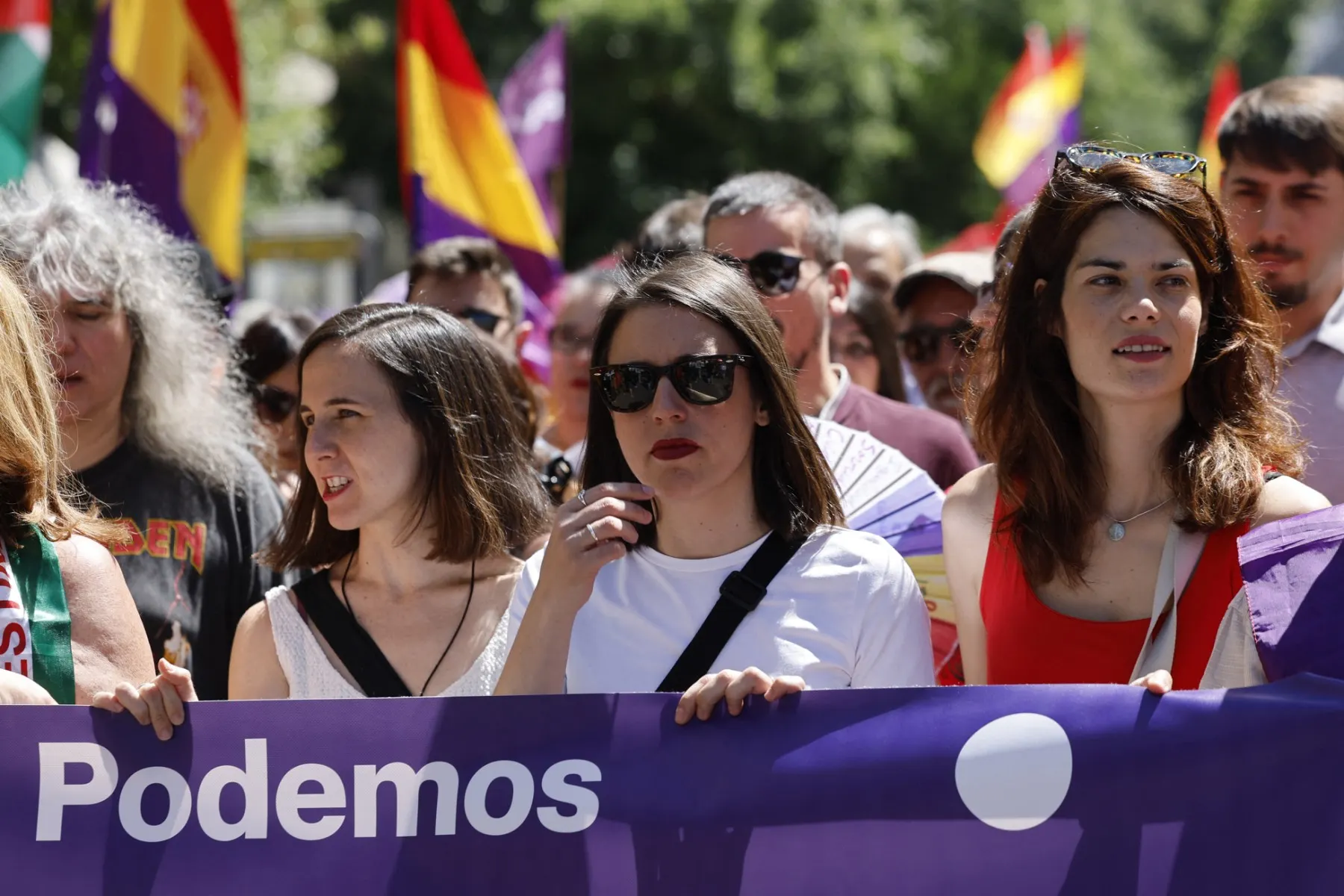
In typically fragmented and partisan terms, far-left former coalition member Podemos refused to join the bloc besides in lists in the Canary Islands and the Valencia region.
Esquerra Republicana de Catalunya (ERC) then joined the unpopular party in not signing up for the Frente Amplio.
That left Sumar, the current junior coalition partner, to join forces with Izquierda Unida (IU), Más Madrid and various smaller regional parties in the new leftist front movement.
This fragmentation of the political space to the left of the PSOE could have significant consequences for the election, however. Pollsters believe it could result in a loss of as many as 22 deputies compared with 2023, according to polling data from NC Report.
In fact, the bloc could plausibly disappear from several regions and be reduced to nine seats.
Don’t miss our journalists’ daily news roundup from Spain
The right would probably be the main beneficiary of such a collapse, depending on the area, whilst parties like Adelante Andalucía and other regionalist parties would capitalise on Sumar’s weakness in their respective territories.
This initial analysis, based on seat projections, confirms that the left-wing split could become one of the key factors determining the distribution of seats. Far from resulting in a shift of votes and MPs towards the PSOE, the collapse would mainly benefit the PP and Vox, which would share between 14 and 15 of the 22 seats the left is forecast to lose.
To have any chance of governing again, Sánchez’s PSOE, which is polling at roughly 25-29 percent, requires a strong, unified junior partner to its left to help clear the 176-seat absolute majority hurdle.
With the Broad Front and Podemos split and projected to secure only a handful of seats between them, especially compared to Vox, Sánchez will likely have no parliamentary bloc to work with.
This infighting to his left could essentially rule out any chance of what Sánchez was hoping for — la remontada (the comeback), and give government back to the Spanish right.
READ ALSO: Vox rising – What latest polls say a month away from Spain’s election