
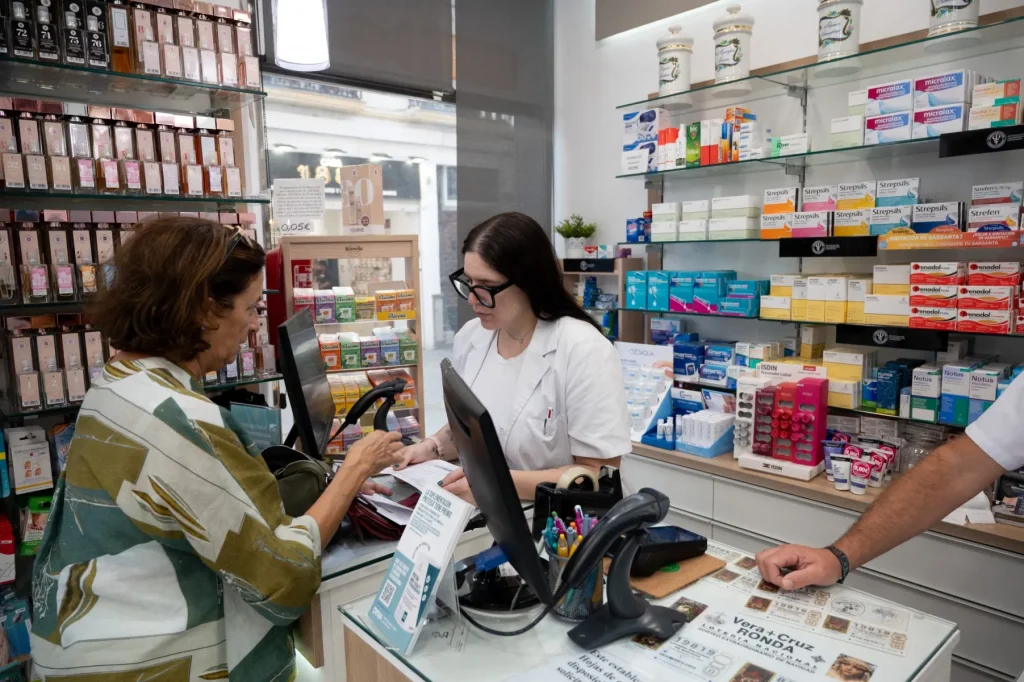
How Trump’s pharma plan could impact med prices in Spain
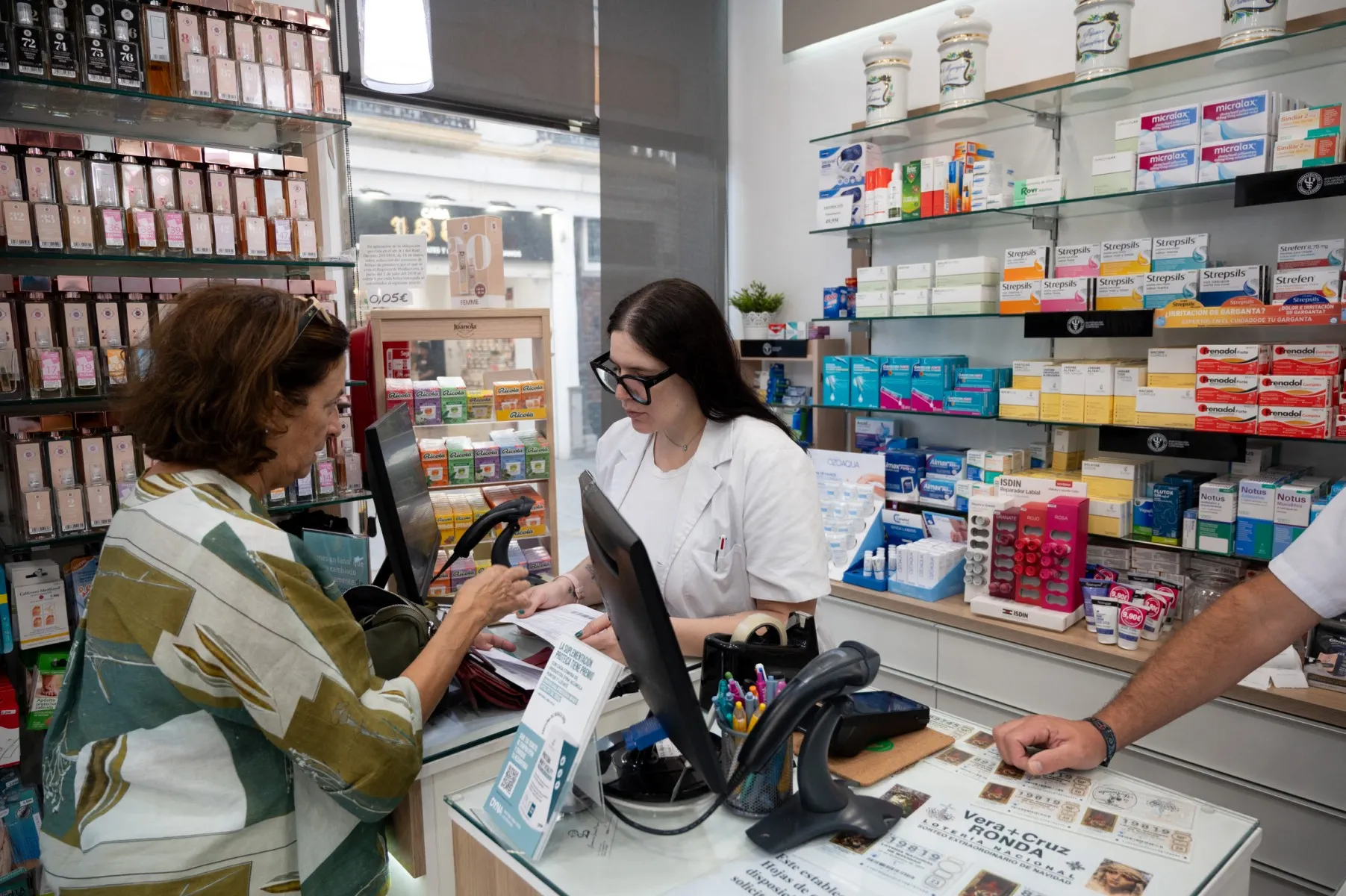
A new drugs policy in the US could affect the price and availability of medications in Spain, a recent study in The Lancet has warned.
US President Donald Trump wants to put a stop to the exorbitant prices of medications in the US and bring prices more in line with other developed Western nations.
He plans to do this by comparing the prices that Medicare – the US’s public health insurance – pays for each drug with selected countries.
Essentially, when Medicare prices are higher than in these other countries, pharmaceutical companies will have to reimburse the US government for the difference through additional rebates.
READ ALSO: Are there limits on bringing medicines into Spain?
While this sounds like promising news for those in the US, many experts believe it will have a negative impact on other countries such as Spain.
According to a recent study published in medical journal The Lancet, which looked at the prices in 19 different countries, including Spain, the plan means that manufacturers will lose more Medicare revenue than they earn selling their drugs there.
This creates “a strong incentive to raise prices” or to stop selling their medications in the rest of the world to avoid penalties in the US, the study states.
To minimise losses in the US, big pharma companies “could be incentivised to delay market launch in the lowest-priced countries in the reference market,” researchers said. This way they could avoid having to match those lower prices in the US.
READ ALSO: Spain’s new co-payment system for medications
As a result, certain medications may become more expensive in Spain. Patients may also have to wait longer for some drugs or may not even be able to buy them here at all.
“Policies in the US may impact access to medicines globally. Policymakers should ensure that availability of important medicines is not delayed as a result,” said study author Professor Kerstin Vokinger of ETH Zurich and University of Zurich in Switzerland.
Jaime Espín, professor at the Andalusian School of Public Health (EASP) and former advisor to the World Bank and the European Commission, told Spanish newspaper El País that there could be “a possible delay in the launch of some drugs and attempts to raise prices”.
According to the study, concerns about the global implications of these payment models in the US have already been reported by multiple countries such as Japan and the UK.