
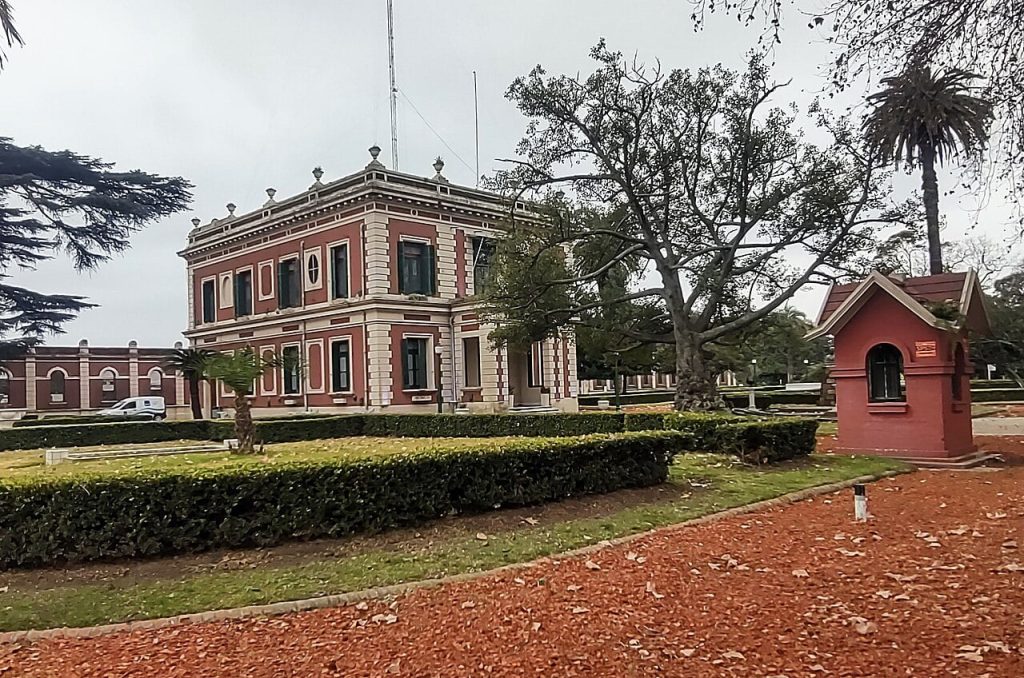
AySA Privatization Narrows to Two Bidders Amid Lawsuit
ARGENTINA · PRIVATISATION
Key Facts
- —What happened Argentina opened AySA’s technical bids on 15 September; only two consortiums qualified out of 17 offers.
- —The bidders Rowing S.A. with Arcos, Transclor and PHX face Grupo Roggio’s Roggio ROAS S.A.U.
- —What’s for sale The state’s 90% of AySA, which supplies water to about 14 million people.
- —The investment ask The winner must commit close to US$2 billion in the first five years.
- —The legal fight A La Plata appeals court has barred any change to AySA’s water-access duties for now.
- —The catch Officials say that injunction blocks a future ownership change, not the bidding process itself.
One-stop reference
Company Intelligence
Every listed company in Latin America — financials, ownership and structure for 1,450+ companies across 26 exchanges, in one place.
Argentina’s biggest privatization this year has cleared its first real hurdle. Seventeen offers came in for AySA, and only two survived technical review.
The government opened technical bids for AySA, the state water utility, on Tuesday. Two local consortiums qualified to move forward, while a court fight over the sale continues in the background.
What Is Being Sold
AySA supplies drinking water and sewage service to Buenos Aires and 26 surrounding municipalities. Roughly 14 million people across Greater Buenos Aires depend on it every day.
The government is selling 90% of the company’s shares to a single strategic operator. Employees keep the remaining 10% through Argentina’s existing shared-ownership scheme.
Officials have set no minimum reserve price for the sale itself. Instead, the winner is chosen through investment commitments and operating terms laid out in the tender.
Who Is Left Standing
Seventeen offers were submitted before Tuesday’s deadline, a striking number for an asset this large. Only two of the seventeen consortiums passed the technical evaluation stage.
One is led by Rowing S.A. alongside Arcos, Transclor and PHX. Transclor is headed by businessman Mauricio Filiberti, who has been named in earlier reporting on the sale.
The other is Roggio ROAS S.A.U., tied to the Córdoba-based construction group Grupo Roggio. Both groups now move to the next phase, where compliance is verified in detail.
What the Winner Must Promise
Economy Minister Luis Caputo has said the winning bidder must commit more than US$2 billion over the first five years. Reported figures for the full concession run even higher, into the tens of billions over three decades.
The government expects the sale itself to raise somewhere around US$500 million. That figure covers only the transfer of shares, not the investment pledges that come with them.
The Court Fight in the Background
A panel of the La Plata appeals court upheld an injunction just a week before Tuesday’s bid opening. It bars AySA from modifying, limiting or suspending its water-access obligations while a review continues.
The Buenos Aires provincial ombudsman’s office had requested the measure. Judges Pablo Muñoz, Gerónimo Arias and María Ventura Martínez signed the ruling.
Guido Lorenzino, the provincial ombudsman, argues the sale’s terms would leave a private buyer with no obligation to guarantee water access. He says environmental liabilities would instead fall on the province and its municipalities.
Government lawyers see it differently, arguing the injunction protects service obligations rather than blocking the tender. No violation occurs, they say, until ownership actually changes hands.
A Long Road Already Traveled
Argentina first launched this tender back in May, aiming for a strategic operator to take AySA’s controlling stake. A La Plata court briefly suspended the process in June, pending an audit of environmental liabilities.
The bid deadline itself moved twice, first to 27 August and then to 15 September, as the ministry sought wider participation. Tuesday’s opening was, in that sense, a deadline that finally held.
What Changes for Customers and Workers
AySA currently employs 5,890 people, down from 7,700 a few years earlier. The tender itself sets no requirement to keep that same headcount.
Existing labor agreements still apply, since AySA continues operating as the same legal entity. Any changes to staffing are expected to come through technology upgrades, not sudden layoffs.
Water rates will not be frozen, nor will they face one sweeping revision right away. Two separate mechanisms adjust costs and reward service quality until a full tariff review in 2032.
Water and sewage bills already make up just 2.2% of an average salary in Argentina. That is reportedly the lowest such share anywhere in Latin America.
The privatization contract sets steadily rising coverage targets all the way through 2056. Water coverage should reach 90% and sewage coverage 75%, up from about 75% and 64% today.
What Happens Next
Both consortiums now enter a compliance-verification phase before economic offers are opened. Only after that stage will the government know what either group is actually willing to pay.
The ombudsman’s court fight is still unresolved and could yet complicate a final transfer. For now, the tender itself keeps moving forward on schedule.
More: Argentina news in English, every day from The Rio Times.
Frequently Asked Questions
How many offers did AySA’s tender receive?
Seventeen offers were submitted, though only two consortiums passed the technical evaluation stage.
Which two groups are still competing?
Rowing S.A. with Arcos, Transclor and PHX, and separately Grupo Roggio’s Roggio ROAS S.A.U.
How much must the winner invest?
Officials have cited more than US$2 billion in required investment over the concession’s first five years.
Does the court injunction stop the sale?
No, government lawyers say it protects service obligations only, and does not halt the bidding itself.
How much does Argentina expect to raise?
Roughly US$500 million from the share sale alone, separate from the investment commitments required.
Sources: Infobae, La Nación, iProfesional, Dolarhoy, Perfil.