Deadly virus could trigger next pandemic as doctors warn Spain faces new infection threats « Euro Weekly News
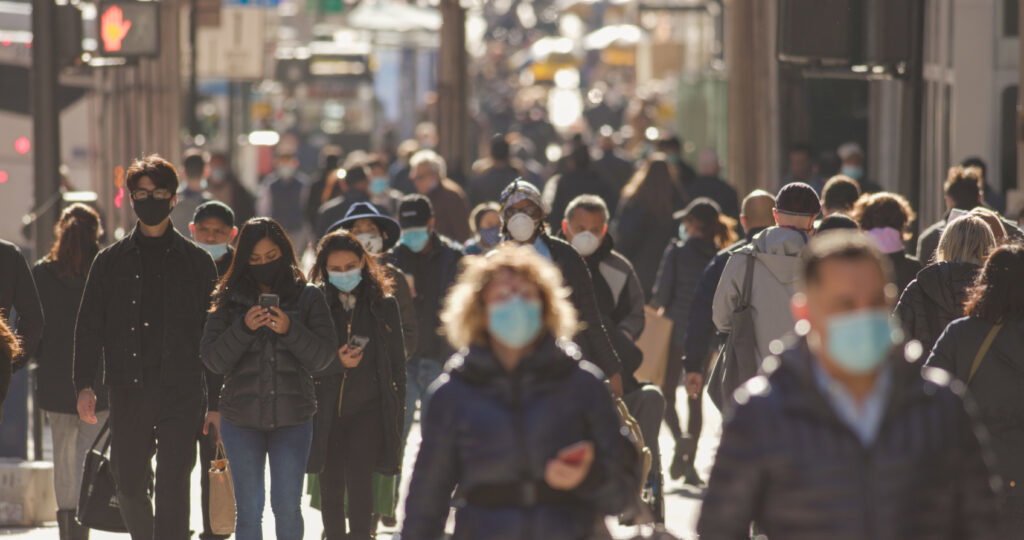
People can become infected through contact with contaminated materials. Photo credit : blvdone/Shutterstock
A mosquito bite could expose you to an infection that was once associated with tropical countries, without you ever leaving Spain. Now, infectious disease specialists are also warning about the potential threat posed by Lassa fever, a potentially deadly virus that one expert believes could cause a future pandemic.
Experts from the Spanish Society of Infectious Diseases and Clinical Microbiology (SEIMC) say warmer temperatures, changing rainfall, deforestation and growing international mobility are altering the conditions in which pathogens and the insects or animals carrying them survive. Their concern is that infections can reach new places more quickly and become harder to predict.
Diseases are no longer confined to familiar regions
At a meeting organised by SEIMC and the National Association of Health Journalists, infectious disease specialist Luis Buzón said international travel makes it increasingly difficult to think of illnesses as belonging to one particular region. Someone can travel between continents within hours, potentially carrying an infection into an area where conditions may allow it to spread.
Veterinary virologist Antonio Rivero pointed to chikungunya as an example. After a major outbreak on the French island of Réunion around 15 to 20 years ago, the disease has since appeared in mainland Europe, including France. The specialists warned that other infections could follow as the insects carrying them expand into new areas.
Mosquitoes and sandflies already found in Spain
Several insects capable of transmitting these diseases are already established in the Iberian Peninsula. Aedes mosquitoes can carry dengue, Zika and chikungunya; Culex mosquitoes transmit West Nile virus; and Phlebotomus sandflies can spread Toscana virus. Warmer conditions and changing rainfall can extend the period when some insects are active and help them survive in places that were previously less suitable.
The European Centre for Disease Prevention and Control has recorded locally acquired dengue and chikungunya cases in Europe, with international travel helping to introduce infections into areas where Aedes mosquitoes are established. Spain is already monitoring West Nile virus, which circulates mainly between birds and mosquitoes. By November 4, 149 locally acquired human cases had been reported in Spain during 2026.
Lassa fever is the disease raising particular concern
Among the infections discussed by the specialists, Lassa fever stood out as one of Rivero’s biggest concerns. The virus is endemic in parts of West Africa and is carried by rodents, which can contaminate food and household items through their urine and droppings. People can become infected through contact with contaminated materials or infected rodents. Human-to-human transmission is also possible through direct contact with blood or other bodily fluids, particularly in healthcare settings where infection-control measures are inadequate.
The World Health Organization says there is no epidemiological evidence of airborne spread between people. Rivero said Lassa fever repeatedly features among the World Health Organization’s high-priority pathogens because of its potential to cause a major international health threat. He described it as more severe than mpox and suggested the recent spread of mpox should serve as a warning of how quickly infections can cross borders.
Why doctors take Lassa fever seriously
Around 80 per cent of people infected with Lassa virus have no symptoms or only mild illness, according to the WHO. In more serious cases, the disease can affect several organs and cause bleeding, breathing difficulties and shock. The WHO reports an overall case fatality rate of about 1 per cent, rising to 15 per cent or more among patients hospitalised with severe disease.
There is currently no licensed vaccine. Early diagnosis and supportive medical care improve the chances of survival, but identifying the infection can be difficult because its early symptoms, including fever, weakness and headache, resemble those of other illnesses. The specialists were warning about Lassa fever’s potential, not reporting an outbreak in Spain.
Other infections on the radar
The doctors also highlighted mpox, which demonstrated how an infection associated with particular regions could cause outbreaks thousands of kilometres away. Dengue and Zika remain concerns because of Aedes mosquitoes, while West Nile virus is already monitored in Spain. Toscana virus, spread by sandflies, can cause illness including meningitis or encephalitis.
The experts called for a One Health approach that considers people, animals and the environment together. Changes to climate, land use and wildlife can affect how infections emerge and spread, while international travel makes it harder to treat them as problems belonging to individual countries.
Spain’s health system faces a changing challenge
Buzón called for the development of infectious diseases as a medical speciality in Spain, arguing that health services need the expertise to identify and manage infections that may be unfamiliar to frontline teams. He acknowledged that no health system can be fully prepared for every unexpected emergency, but said early detection and scientific preparation are essential.
The specialists urged clear public communication without alarmism. Their concern is not that people should be afraid of travelling or spending time outdoors, but that doctors must prepare for infections that may appear in places where they were once rarely seen