The complexities of the French language and love for cheese
From all the different quirks linked to the French language to favourite cheeses – this week’s La Belle Vie explores different aspects of French culture.
Hello readers,
I was having dinner with a friend recently. We were speaking English, although we’re both bilingual, and it happens that sometimes, if we can’t find the right word in English, we’ll switch to French. In the middle of the conversation, he said: “It’s all about le fond et la forme.”
This French expression literally translates as “the substance and the form”. Le fond is the content – the message, ideas, facts, arguments or emotions you want to convey. La forme is how you convey them – the style, presentation, vocabulary, tone and language you use.
As French writer Victor Hugo put it – le fond, c’est la forme qui remonte à la surface (the substance is the form rising to the surface). I see this as one of those expressions that’s difficult to translate into English in just a few words. And it got me thinking about the French language more generally.
For a recent article on our website, I wrote about how Tours, located in the Loire Valley, was historically considered the town where the ‘purest’ French was spoken. Of course, this isn’t an actual thing. Linguists have explained that there is no such thing as a town where people speak the ‘best’ French. But its reputation has some interesting historical roots.
Revealed: The town in France where locals speak ‘perfect’ French
And French isn’t just about elegant expressions and carefully constructed sentences. It also has plenty of funny and downright bizarre aspects.
One in particular is the subject of gentilés – the word used to describe people who come from a particular town, city or commune in France.
I’m always fascinated by how, no matter how many rules there are in French grammar, there’s seemingly always something that manages to throw you off. People from Paris are Parisiens or Parisiennes, those from Bordeaux are Bordelais or Bordelaises, and people from Toulouse are Toulousains or Toulousaines. Fairly straightforward, right? But did you know that people from Saint-Malo are called Malouins or Malouines? And those from Chamonix are Chamoniards or Chamoniardes?
The curious names given to people in French towns
There’s no obvious logic to it, and you just have to learn them as you go. I guess that’s part of the beauty (and sometimes the bizarreness) of the French language.
Don’t miss La Belle Vie: All you need to know about France’s culture, language and life
Some of the more amusing ones include the residents of Béziers, who are called Biterrois or Biterroises. And as immature as I might sound, it always makes me laugh because bite is French slang for penis.
You can listen to The Local France team discussing more of these gentilés in our weekly podcast.
PODCAST 🎧: Tear gas warning, health boost for rural France and which city speaks ‘perfect’ French?
And then, of course, there are the towns and communes themselves, some of which have rather unfortunate names if you’re an English speaker, or even a French one. Take Montcuq, for example. It’s pronounced roughly Mon-kuk (don’t forget the hard ‘k’ at the end, even if you’re tempted to read it as mon cul, the French slang for ‘my butt’). Or there’s also a commune called Poil, which literally means “hair” in French. You can imagine the jokes.
From butts to scams: France’s funniest commune names
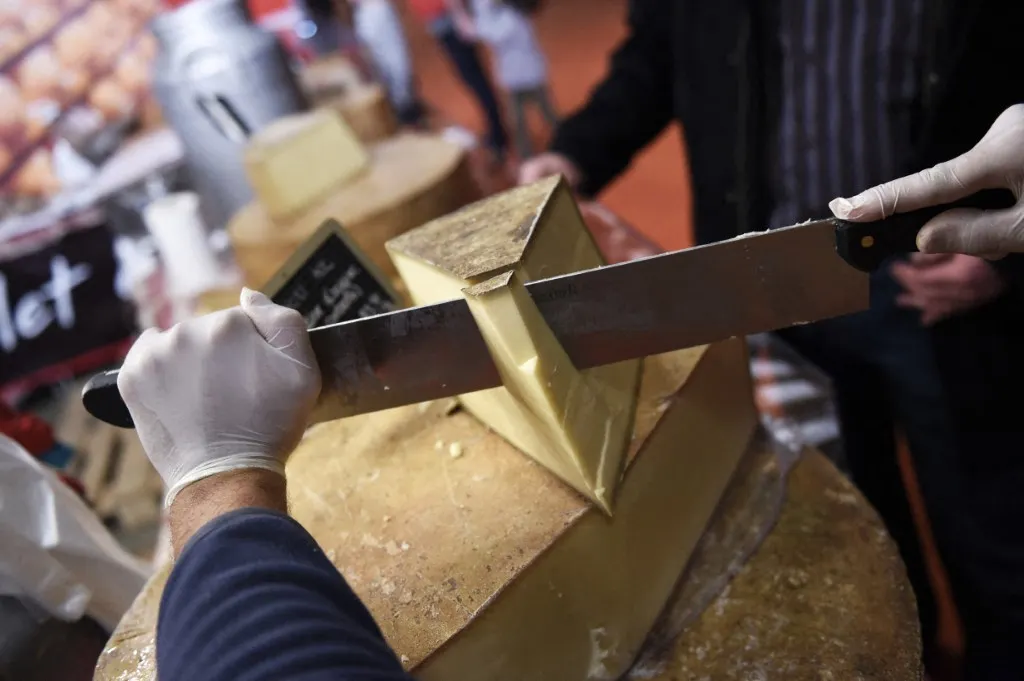
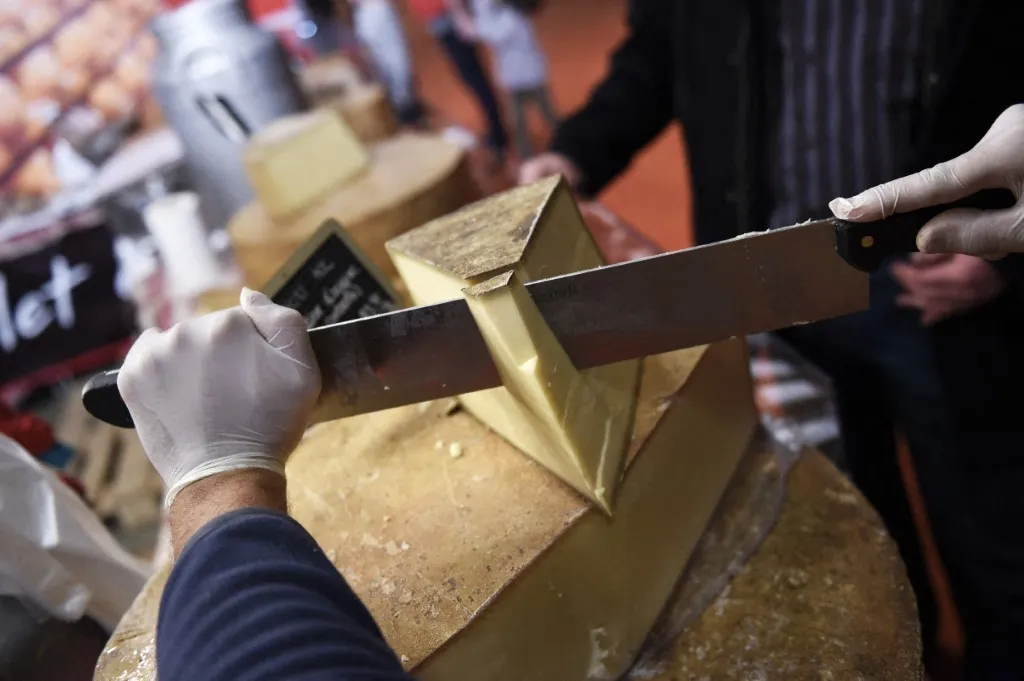
And speaking of things that are particularly French, we’ve been talking about cheese quite a lot since the start of November. The season for comforting cheese dishes is upon us, and we recently asked our readers to tell us about their favourite French cheeses.
Now, as a cheese lover myself, I find that a particularly difficult question to answer. I think I go through phases. Recently, I’ve been really enjoying cancoillotte au vin jaune. For anyone unfamiliar with it, cancoillotte is a speciality from Franche-Comté, in eastern France. It’s a soft, almost runny melted cheese made from cow’s milk, and the version with vin jaune (yellow wine from the Jura) has a particularly tasty flavour. It’s perfect for dipping bread into.
The 6 best French winter dishes made with cheese
Another cheese I really like is Brillat-Savarin, a rich and creamy cheese traditionally associated with Burgundy and the Brie region. It’s named after the famous French gastronome Jean-Anthelme Brillat-Savarin, and is about as indulgent as cheese gets. Extra points if it’s truffled…
The French have their favourites for sure. A survey conducted in March 2026 for Lactalis France (one of the country’s major dairy groups) found that Comté came out on top, chosen by 15 percent of respondents. Camembert followed closely behind at 14.4 percent, then goat’s cheese at 12.2 percent and Roquefort at 8 percent.
Interestingly, tastes also vary between generations – older respondents were more likely to favour Camembert, while millennials leaned towards Comté. Raclette, meanwhile, was particularly popular among Gen Z – not a bad choice indeed!