Israel elections 2026: What happens to India’s defence, trade ties if Netanyahu fails to retain power? Expert weighs in
The war in Gaza, Israel’s strikes on Iran in June 2025, a joint military operation with the United States targeting Iran in February 2026, and subsequent action in Lebanon were among the key developments that influenced voter sentiment ahead of Israel’s election on 27 October.
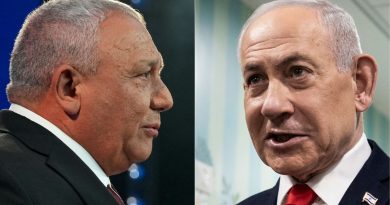
Prime Minister Benjamin Netanyahu pulled ahead of his rival as votes were counted on Wednesday. However, his prospects of securing another term remain uncertain, with his right-wing and ultra-Orthodox bloc projected to fall short of the 61 seats needed to form a majority government in the 120-member Knesset, Reuters reported.
That leaves Netanyahu dependent on attracting rival parties to form a coalition. With the full vote count expected by Friday, local time, and official results due on 4 November, attention is turning to what a potential change in Israel’s leadership could mean for India-Israel ties.
India-Israel deals
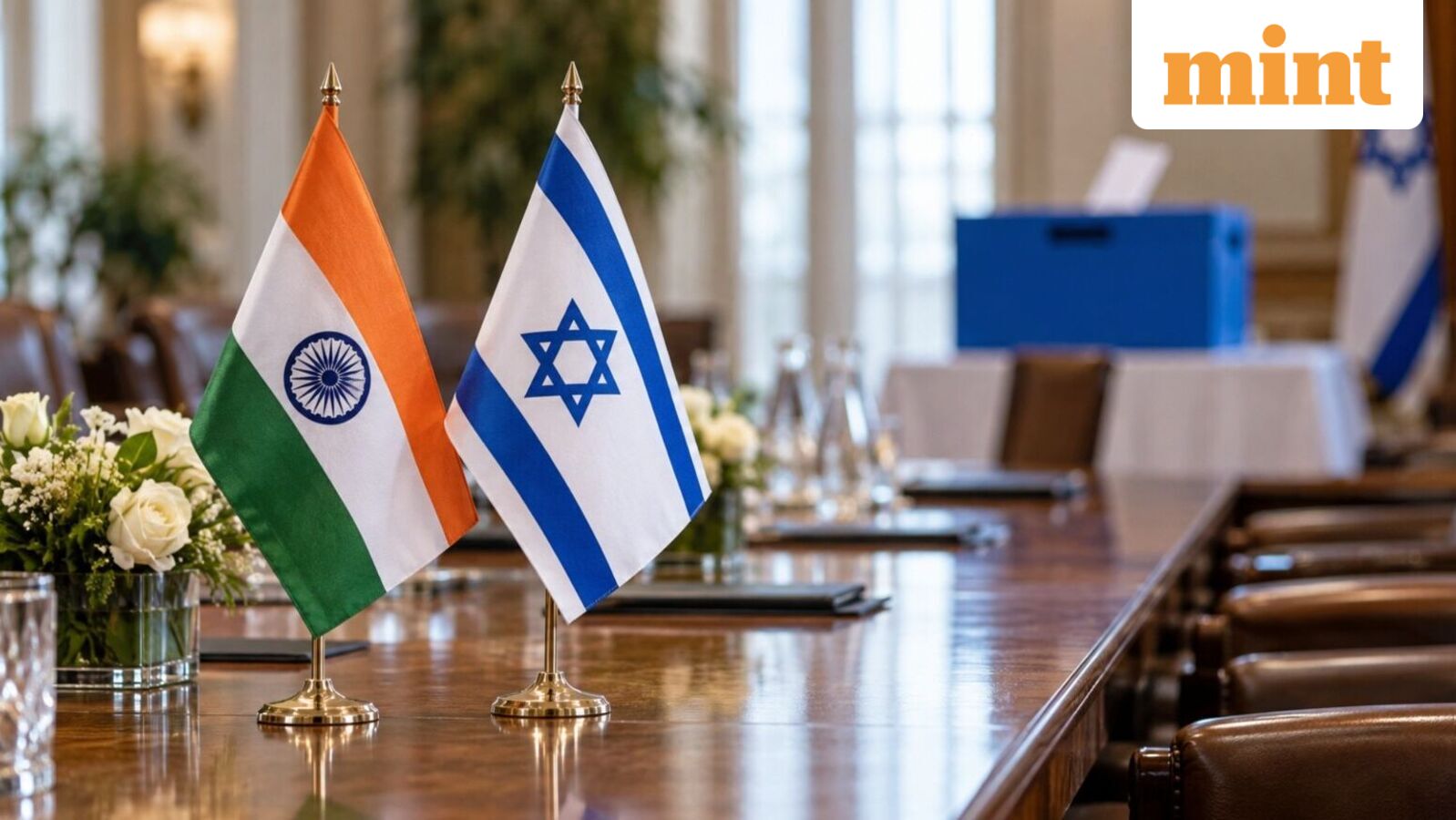
The question matters because India and Israel have significantly expanded cooperation across defence, technology, trade and agriculture in recent years.
Earlier this year, Prime Minister Narendra Modi paid a state visit to Israel and held talks with Netanyahu. New Delhi and Tel Aviv elevated their bilateral ties to a “Special Strategic Partnership for Peace, Innovation and Prosperity”, while identifying defence, cybersecurity, artificial intelligence, semiconductors, space, water management and agriculture as key areas for deeper cooperation.
According to an official release issued during Modi’s February visit, the government said, “Both leaders expressed satisfaction at the progress made in bilateral cooperation across all domains and agreed to further expand collaboration in the fields of trade and investment, defence and security, space, energy, critical technologies, cyber security, education, scientific research and innovation. They also emphasized the transformative potential of the India-Israel partnership in agriculture, water management, start-ups, fintech, digital healthcare, biotechnology and advanced pharma. The two leaders welcomed the new initiatives to expand the mobility partnership, which would give a further boost to people-to-people ties.”
The two leaders also called for the early conclusion of the proposed Free Trade Agreement. The release added, “The Bilateral Investment Treaty, India-Israel Innovation Bridge, India-Israel Innovation Centre for Agriculture and India-Israel Industrial R&D and Innovation Fund would significantly enhance economic, entrepreneurial and scientific collaborations between the two countries. They also called for greater collaboration in the fields of AI, Semiconductors, quantum, and other cutting-edge technologies, synergising India’s talented workforce and Israel’s innovation.”
While the second round of FTA negotiations concluded in July this year, the two sides have yet to sign a finalized agreement.
Will India-Israel deals be impacted if Benjamin Netanyahu loses power? What we know
According to Suresh K Goel, a former diplomat, the outcome of Israel’s election is unlikely to have a major impact on India-Israel relations as ties between New Delhi and Tel Aviv are not dependent solely on who leads either country. He said a trade pact could be slightly delayed by a change in government, rather than by any shift in policy. Goel does not expect any “great change” in bilateral relations.
Goel said the personal rapport between Modi and Netanyahu has been “exceptionally great”. However, he said a government supported by Arab parties could bring a change in Israel’s regional approach, which may result in some adjustment in India-Israel relations.
While a change in government may slow some negotiations and reshape Israel’s regional posture, India’s defence, technology and trade ties with Israel are likely to remain intact, according to Goel.