What’s behind the sudden drop in foreign language assistances in Spain?
The number of foreign language assistants coming to work in Spain has dropped by 5,551 in the last five years, according to new data from the Ministry of Education.
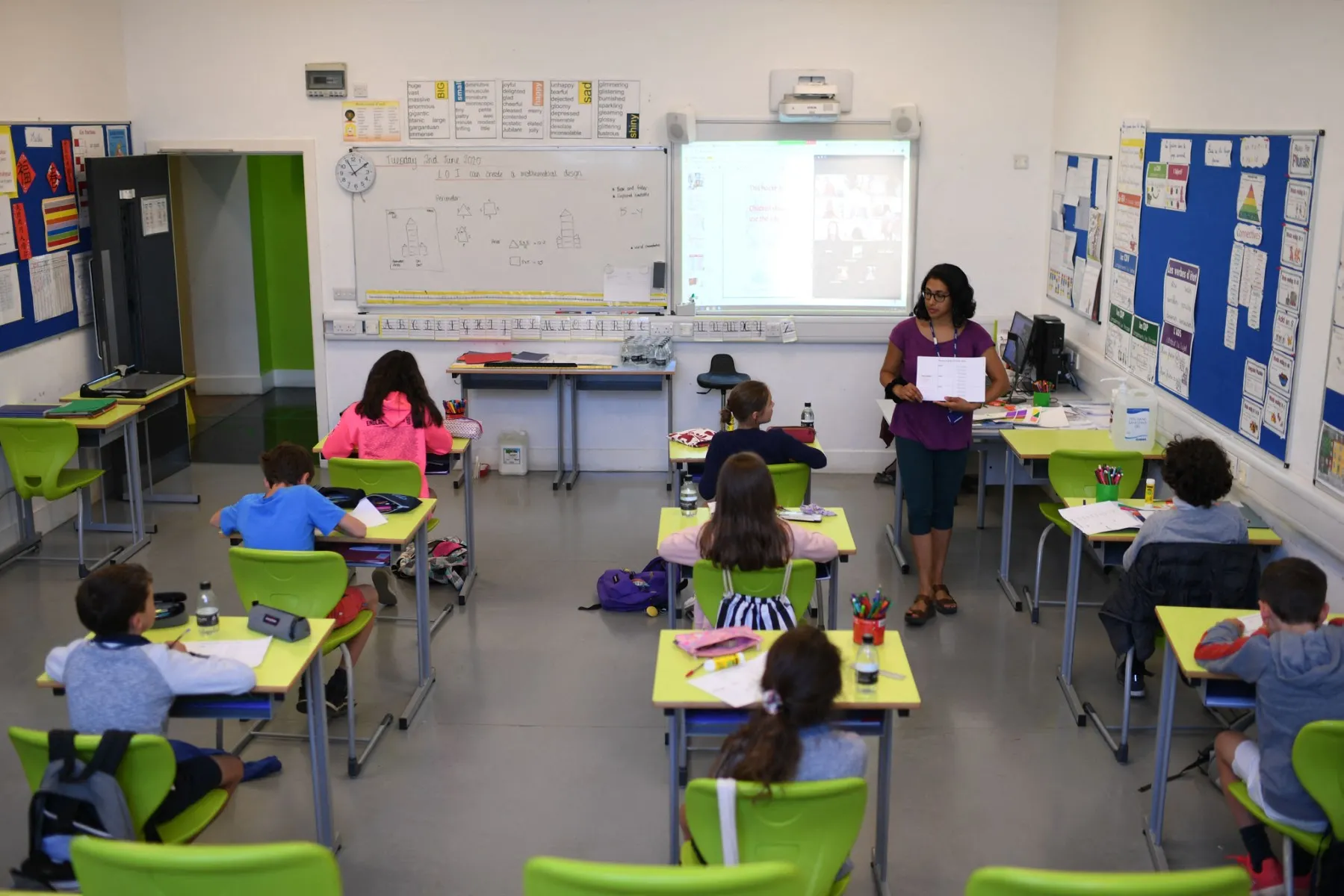
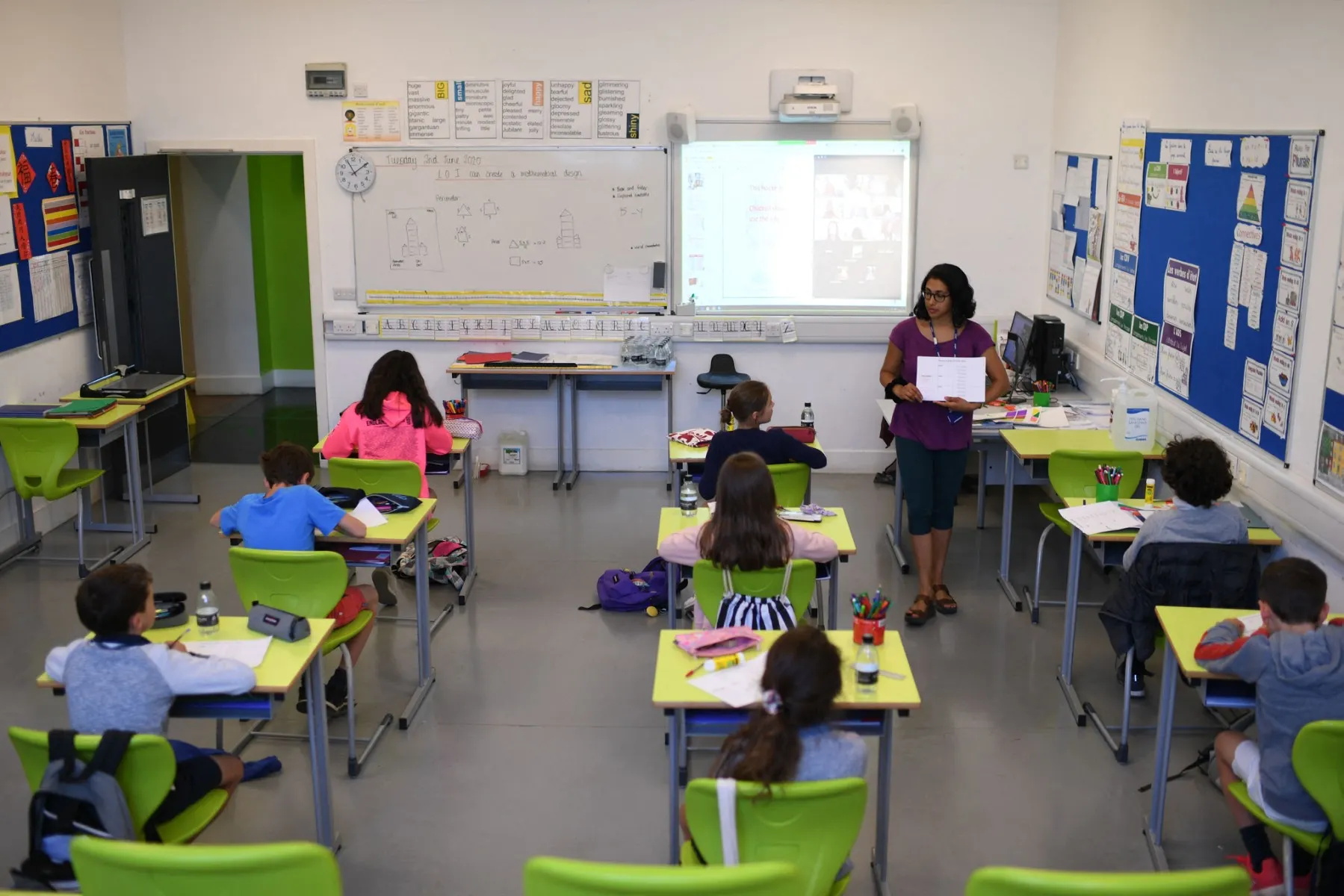
The foreign language assistant programme – or auxiliares de conversación in Spanish – allows undergraduates and graduates from around 30 countries – including the US, UK, New Zealand, Switzerland, France, Germany, Italy, and Brazil – to come to Spain and help schoolchildren improve their fluency in foreign languages.
In November 2026, there will be 1,635 language assistants working in classrooms, but this has dropped from 7,187 during the 2022-2023 academic year.
So, what’s behind this huge drop in numbers? Is it that foreign language assistants don’t want to come to Spain anymore?
READ ALSO: Row in Spain over claims foreign language assistants are used as ‘fake interns’
Don’t miss our journalists’ daily news roundup from Spain
No, on the contrary, Spain remains a popular place for students to come and work here in schools. The problem is that many regions have dropped out of the programme and are not accepting any more.
Madrid, Andalusia, Galicia, and Murcia have all decided not to join the Education Ministry’s programme this year for fear of potential fines from the Spanish Ministry of Labour.
Basically, Spain’s Ministry of Education considers these positions to be a “cultural exchange,” rather than traditional jobs, so they are not subject to same employment regulations as other careers.
Instead of a proper contract and a salary, these language assistants receive a stipend or grant of between €800 and €1,000 per month for 14 to 16 hours per week.
The Ministry of Labour has argued that these assistants should have proper employment contracts and be contributing to social security system.
In the past, they have imposed fines on Valencia (€19 million), Andalusia (€5 million), and Galicia (€3.5 million), for allegedly using these young foreigners as “fake interns”.
Regional authorities claim they are being inspected and fined by Labour officials for simply implementing the programme and conditions established by the Socialist-led national Ministry of Education and are not willing to continue.
As a result, some regions are not accepting any, while others such as Madrid and Galicia have decided to launch their own calls for applications. Madrid has put out a call for 1,460 English, French, German and Italian language assistants, while the Galician Ministry plans to launch its programme at the beginning of the second quarter.
According to Rafael Rivas, commercial director of INTERWAY, which organises these language assistant programmes, the requirements set by some regions are minimal, often not even requiring qualifications or even native speakers. Some just ask for rather English speakers with a C1 level for example.
In Valencia, it’s a bit stricter as candidates are required to have university degrees, while half should be native English speakers and the other half should have a C1 level with a minimum of two years of teaching experience in English in the last five years.
Castilla y León, Catalonia, and the Basque Country currently have the highest number of teaching assistants.
For this academic year, the Ministry of Education has offered more than 1,400 places for English assistants and around 223 for French ones.
The British Council’s Language Assistants Programme has been operating in Spain since 1936. Approximately 1,300 candidates apply and around 200 get a place.
“Spain continues to be the most popular destination among British candidates, both for the educational experience and for the opportunity to improve their Spanish and get to know the country from within,” sources from the organisation explained told Spanish news agency EFE.
France Education International is the agency that selects the French candidates, under the supervision of the French Ministry of Education. This year they have only offered 133 positions compared to the 300 in 2025.