Madrid approves new tourism law « Euro Weekly News
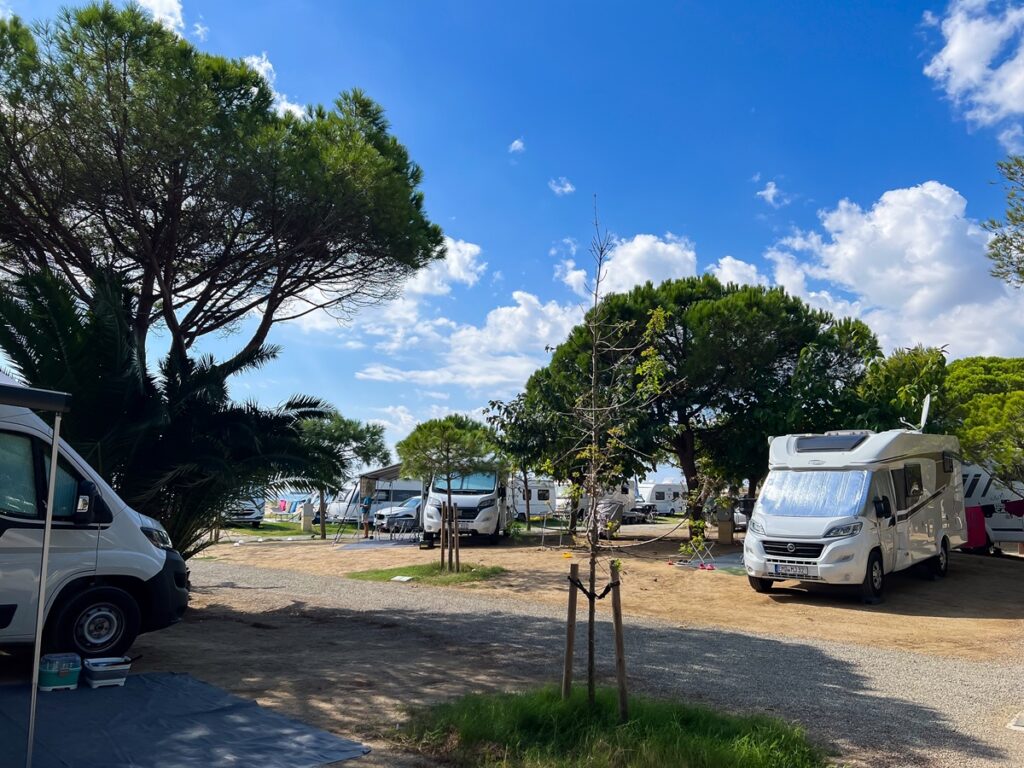
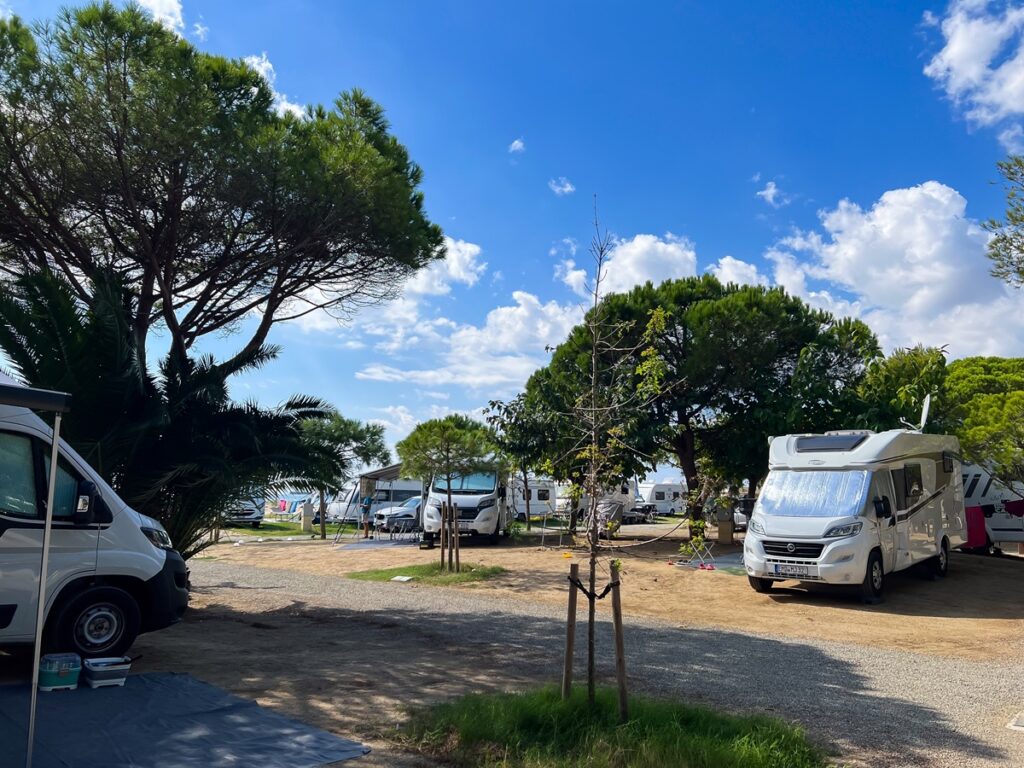
Madrid’s new tourism law formally recognises motorhome sites and hostels. Credit: AlbertoGonzalez, Shutterstock.
Planning a trip to Madrid or travelling through central Spain by motorhome? The region has approved a new tourism law that formally recognises hostels and dedicated overnight sites for campervans and motorhomes.
Approved on Thursday, October 22, the reform updates legislation dating back to 1999 and introduces changes to travellers’ rights and the obligations of tourism businesses.
For foreign visitors, the changes are worth knowing about, although they do not introduce new nationwide restrictions on motorhome travel.
According to the Community of Madrid’s official announcement, the legislation also strengthens the framework covering travellers’ rights, business responsibilities, insurance and inspections.
What Madrid’s new tourism law changes for visitors
One of the main changes is the formal recognition of hostels, known in the legislation as hosterías, as a category of tourist accommodation.
Hostels are already a familiar option for travellers looking for an alternative to traditional hotels, particularly those visiting Madrid on a budget or travelling independently.
The reform gives this category a clearer place in the region’s legal framework, reflecting the range of accommodation now available to visitors. It also formally recognises dedicated areas where motorhomes, campervans and similar vehicles can stay overnight.
For foreign visitors planning a road trip through central Spain, this distinction matters. A dedicated overnight site is different from a public parking area, and the rules governing the two should not be confused.
The legislation goes beyond recognising accommodation categories.
Madrid’s regional government says the reform expands the rights and responsibilities of customers, updates the obligations of tourism businesses and introduces provisions concerning insurance and other forms of cover.
The law also updates rules on access to accommodation, insurance and pricing, while allowing tourism businesses to continue setting their own rates.
The legislation also revises inspections and penalties, with the aim of making the rules clearer for businesses and strengthening their enforcement.
Before booking somewhere to stay, it’s worth checking the cancellation policy, what’s included in the price and whether there are any extra charges.
The reform is intended to provide greater legal clarity, but it does not guarantee that every accommodation dispute will automatically result in a refund.
What British motorhome owners should know before visiting Madrid
Motorhome travel is one of the areas where the announcement could easily cause confusion.
Although the October reform formally recognises overnight motorhome facilities at legislative level, Madrid had already introduced specific regulations for these sites in May 2025.
Under Decree 26/2025, explained by the regional government, dedicated motorhome and campervan areas must meet requirements concerning their facilities and operation.
These include designated spaces, shared sanitary facilities, access to services and arrangements for tasks such as emptying waste tanks or obtaining water and electricity.
Operators must also submit the required declaration to the regional tourism authorities.
The October 2026 legislation therefore builds on an existing regulatory framework rather than creating all these requirements for the first time.
This is particularly relevant to British motorhome owners travelling from the Costa Blanca, Costa del Sol or other parts of Spain towards Madrid.
The new tourism law should not be interpreted as permission to spend the night wherever a motorhome can legally park.
Spain distinguishes between parking a vehicle and using an area for camping-related activities. Local restrictions, road rules and the conditions of individual sites can still apply.
Travellers should check whether their chosen overnight stop is a designated motorhome area, a campsite or an ordinary parking space, and follow the rules that apply to that location.
The reform also concerns the Community of Madrid, not the whole country. It does not automatically change the regulations governing motorhome sites in Alicante, Málaga, Valencia or other Spanish regions.
For anyone planning a longer journey, checking local arrangements before arrival remains the safest approach.
When will the new rules take effect?
The regional parliament approved the reform on October 22, with support from the Partido Popular (PP) and Vox.
However, parliamentary approval and the date on which a law becomes enforceable are not necessarily the same thing.
The final published legislation and its provisions on commencement will determine when the changes take legal effect.
Travellers and accommodation businesses should therefore avoid assuming that every provision became applicable immediately after the vote.
The reform has also prompted political debate about tourism’s wider impact on Madrid.
According to Europa Press’s report on the parliamentary vote, opposition representatives raised concerns about tourist accommodation, inspections, housing pressure and the effects of tourism on local neighbourhoods.
Supporters argued that updating the legislation would provide clearer rules for businesses and improve legal certainty.
For British residents, this is an important distinction. The reform deals with the regional tourism framework, but it should not be confused with separate regulations governing residential tenancies or holiday apartments.
Likewise, the recognition of hostels and motorhome facilities does not mean that new accommodation will automatically become available or that existing establishments will immediately change their prices.
Madrid’s tourism industry has expanded considerably since its original legislation was introduced in 1999.
For British visitors, Madrid’s new law is mainly about bringing tourism regulations up to date, rather than introducing new restrictions on holidays or motorhome trips.
Anyone planning a stay should still check their accommodation’s booking conditions and, when travelling by campervan, the rules for their chosen overnight stop.