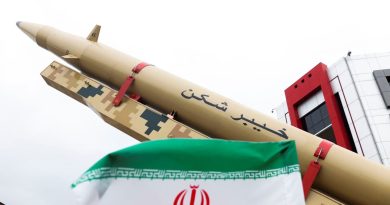
Iran deploys forces to Kurdish regions amid fears of renewed war with Israel, US
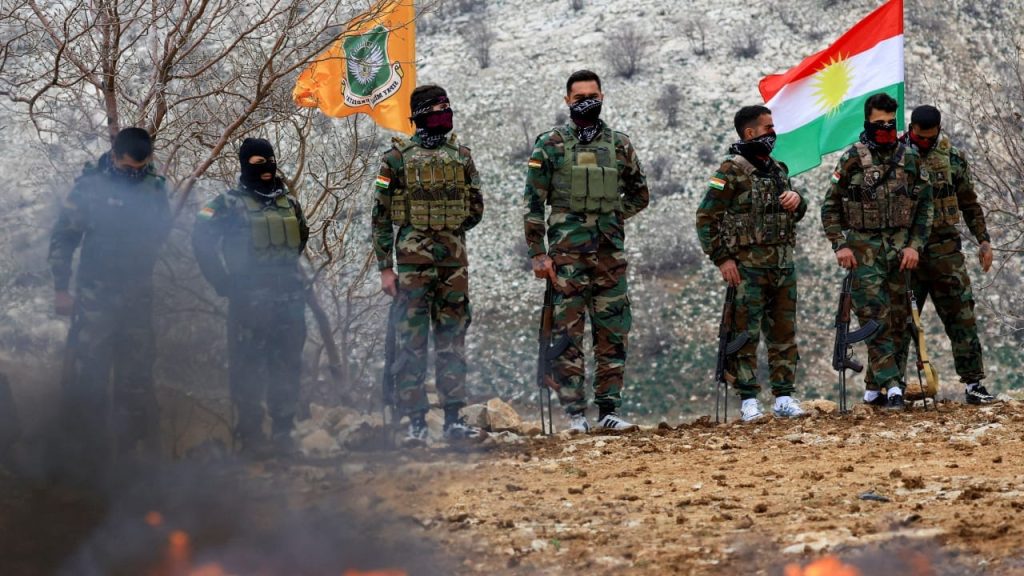
Iran has deployed artillery and additional heavy weaponry to its northwestern Kurdish regions bordering Iraq as it intensifies its crackdown on the Iranian Kurdish opposition group Kurdistan Free Life Party (PJAK). Recent clashes have been reported in the Shaho Mountains and other areas near the border with the Kurdistan Region of northern Iraq.
Millions of Kurds live on both sides of the border, forming part of a larger Kurdish population that also extends into Syria and Turkey.
According to the Kurdish media outlet Rudaw, “Iran has deployed artillery and heavy weaponry to Kurdish areas in the west of the country amid growing fears of a wider conflict with Israel and the United States, as the Islamic Revolutionary Guard Corps (IRGC) intensifies operations against armed opposition groups along the country’s western and southeastern frontiers.”
Meanwhile, the Kurdistan Human Rights Network (KHRN) reported that the IRGC has been moving military convoys into the areas of Sanandaj, Kamyaran, Sarvabad, Marivan, and Baneh.
The developments come as Iran has demanded that Iraq expel Iranian Kurdish opposition groups. Iran’s ambassador to Iraq claimed this week that Baghdad had agreed to the demand.
Tehran has long pressured Baghdad to rein in Kurdish opposition groups operating from Iraqi territory and has carried out hundreds of attacks against them.
Over the past week, Iran has targeted the Kurdistan Freedom Party (PAK), the Democratic Party of Iranian Kurdistan (PDKI), Komala, and Khabat. In one attack this week, Iran reportedly used drones to strike a PAK camp near Mount Harir.
These four groups, together with PJAK, are part of an Iranian Kurdish opposition coalition formed in January and February 2026. PJAK is a left-wing organization linked to the Kurdistan Workers’ Party (PKK).
Iran views Kurdish opposition groups as potential regional threat
Iran views Kurdish opposition groups as a potential threat and has sought to preempt any uprising among its Kurdish population by extending the conflict into neighboring Iraq, where Tehran maintains significant influence.
With reports circulating that Israel and the US could resume military operations against Iran, Tehran appears to be taking additional steps in preparation for another potential round of conflict.
Rudaw reported that “an informed source in Kamyaran told the rights network that “hundreds of IRGC special forces, believed to be members of the entity’s Saberin Unit, have been dispatched over the past few weeks in military convoys to areas surrounding villages on the slopes of Mount Shaho in Kamyaran County.”
The situation in Iran’s Kurdish regions is complex. Some Kurds cooperate with the Iranian government, and Tehran has frequently sought to recruit Kurdish fighters into its own units.
According to Rudaw, the IRGC has also mobilized Kurdish fighters. From Tehran’s perspective, encouraging Kurds to fight one another offers several potential advantages. Kurdish fighters are familiar with the mountainous terrain, while any resulting backlash could be directed toward Kurdish communities rather than the Iranian government.
Iran has also used drones to attack PJAK positions inside the country.
PJAK said its positions in the mountainous and forested areas of Marivan had been attacked “with two suicide drones, followed by more than 30 mortar shells and heavy weapons on Sunday.”