
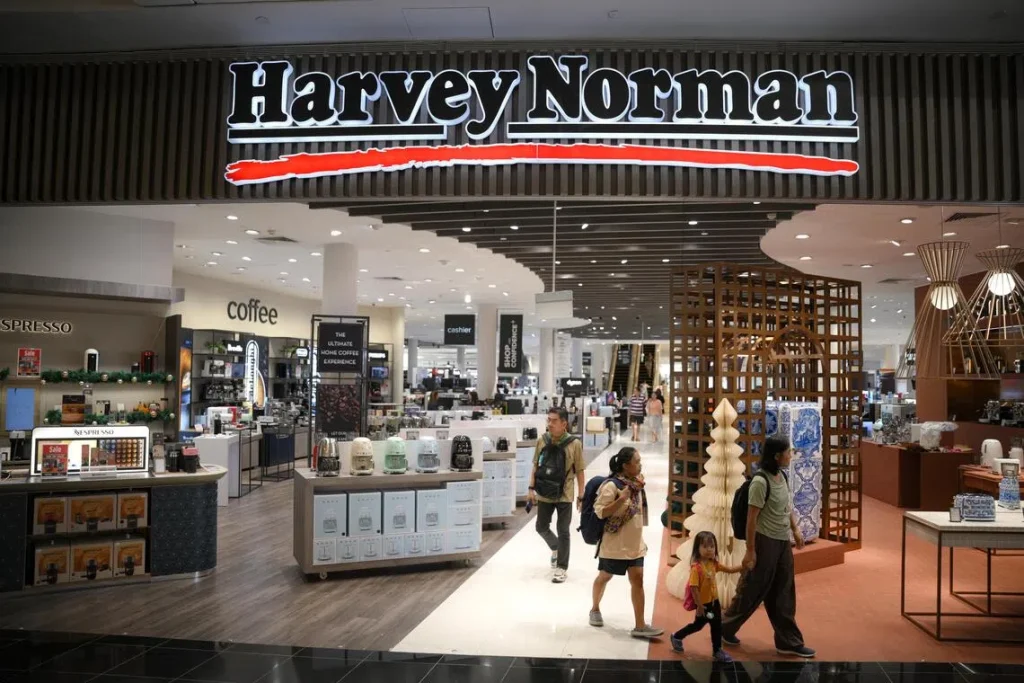
Harvey Norman TV scam warning and prevention tips
SINGAPORE – Early in 2026, Lucas (not his real name) received a call from someone claiming to represent retail giant Harvey Norman.
Addressing him by his first name, the caller told Lucas that a TV was going to be delivered to his house. Sensing something amiss, Lucas asked the caller for his home address. The caller told Lucas, who lives in the north-east, that the TV would be delivered to Woodlands.
Lucas, who is in his 30s, was puzzled, having made no such purchase. When Lucas replied by saying he had no such charges on his credit card, the caller said the purchase was made on an instalment plan and that it has not been charged to his card yet.
Warning Lucas that his card had been “compromised”, the caller urged Lucas to request a refund by either heading down to Tan Boon Liat Building or contacting another mobile number, which he claimed was “Harvey Norman’s WhatsApp chatbot”.
Refusing to fall for the ruse, Lucas hung up.
He is one of the hundreds, if not thousands, of residents in Singapore, who have been targeted by conmen impersonating Harvey Norman.
Responding to queries from The Straits Times, Harvey Norman said on Sept 10 that it has logged 1,588 scam-related enquiries since May. This figure excludes walk-in enquiries, the majority of which come from “middle-aged to elderly individuals”, said Harvey Norman.
Harvey Norman, which retails household appliances including TVs, fridges, washing machines and furniture, also said it has observed an increasing number of elderly customers raising concerns about the scam.
The scammers would typically make a phone call, said Harvey Norman. The individuals targeted include both its customers, as well as those who “have no prior relationship with the company”, it added.
The playbook mirrors Lucas’ case – conmen would claim the recipient bought a TV from Harvey Norman, it said.
The scammer would then talk about payment-related details, such as asking whether the recipient has noticed a deduction from their bank account, or claim that the TV was bought under an instalment plan.
In some instances, the conmen would request personal information, such as the last four digits of the recipient’s NRIC, or recite the recipient’s own personal details, some of which may be accurate, to gain the victim’s trust before asking them to verify information, said Harvey Norman.
When targets insist they did not buy the TV, they would be told to visit a Harvey Norman store for “verification”, said Harvey Norman. It noted that in recent times, recipients have also been directed to its head office at Tan Boon Liat Building.
The caller would refuse requests to escalate the call to a manager or another authorised representative.
Harvey Norman said it first became aware of this scam tactic in September 2025. It has since issued advisories across its social media accounts and on its website.
Harvey Norman said it has observed an increasing number of elderly customers raising concerns about the scam.
PHOTO: HARVEY NORMAN
While the retailer has noted an increase in such incidents recently, it said that it has not received any reports of customers losing money to this scam. It acknowledged that it cannot definitively confirm financial losses but noted: “While these individuals were not financially impacted, the scam has caused confusion, concern and unnecessary inconvenience.”
It also said that it has briefed its staff and put in place guidelines to help them identify and respond to enquiries relating to these scam calls.
Harvey Norman also urged consumers to remain vigilant and to verify any suspicious calls through its official channels.
It added: “Customers should be cautious when receiving unsolicited calls from individuals claiming to represent Harvey Norman, especially if they are asked to verify personal information, banking details, identification numbers, or transactions that they do not recognise.
“Harvey Norman will never ask customers for ID and banking details when they transact with us.”
Requests to urgently confirm purchases, payment arrangements, or deliveries that the customer did not initiate should also be treated as potential red flags, it said.
Those who suspect they have received a scam call should report it to ScamShield immediately, contact their bank or relevant institutions if necessary and monitor their accounts for suspicious activity, Harvey Norman said.
People should file a police report if necessary, it added.
The Straits Times has contacted the police for more information.
-
Additional reporting by Andy Ng.