
What’s more expensive in Spain than in other countries?
Affordability is one of the main reasons foreigners choose to move here, and while it’s become common knowledge that Spain isn’t that ‘cheap’ anymore, several costs are surprisingly higher than in other countries.
Is Spain really as affordable as you think? While the general cost of living may be lower than what you’re used to back in your home countries, there are several costs that are considerably higher in Spain.
Most of the higher-than-average costs in Spain are linked to housing, being self-employed as well as banking and official matters, meaning that those who move here to set up a business have to pay out more than they initially might have thought.
It’s worth noting as well that Spain leads price increases among the major economies of the Eurozone, registering a 3.8 percent rise in inflation in July of this year.
We recently covered why Spain isn’t that ‘cheap’ anymore, but in the following article we’ll focus more on the living costs that new arrivals tend to find surprisingly higher here than elsewhere.
Don’t miss our journalists’ daily news roundup from Spain
Banking services
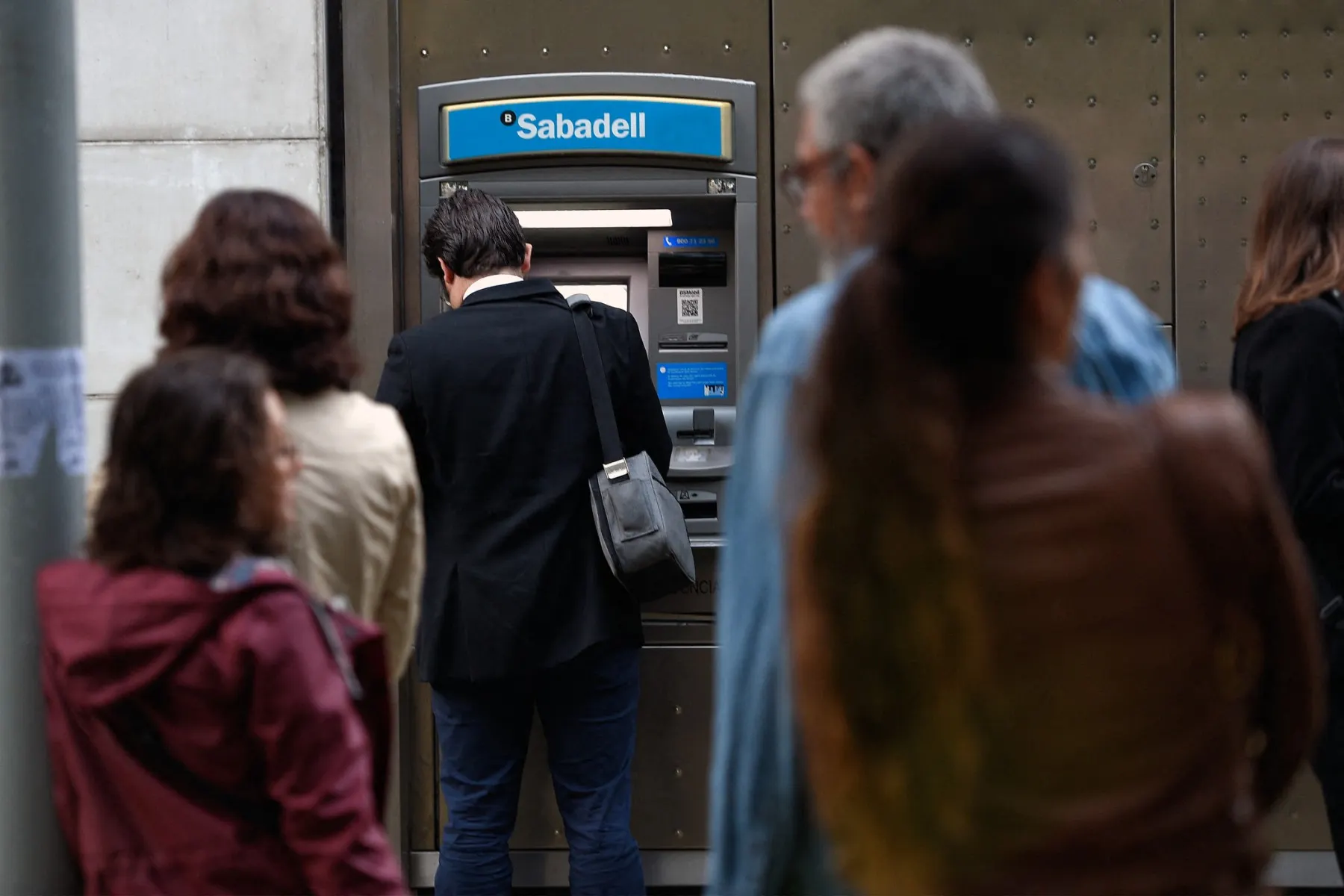
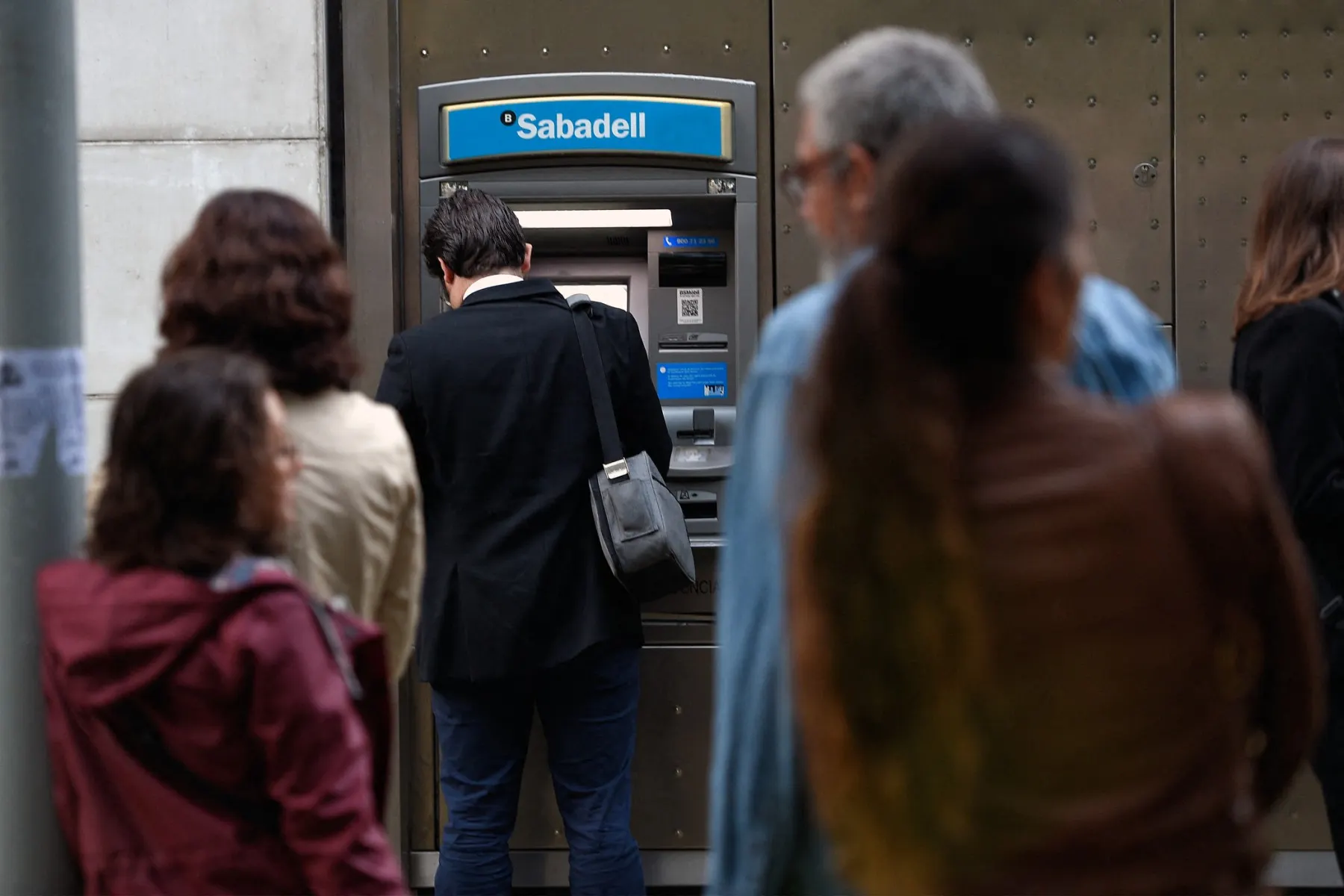
It’s common for banks in Spain to charge a monthly or quarterly fee for their services, something that is virtually unheard of in places such as the UK. This can be around €25 per quarter, but varies between banks and accounts (so make sure you check conditions first as some don’t charge extra fees). Additional bank charges in Spain include paying for bank cards or replacement cards. Many readers have also discovered random “maintenance” fees added to their accounts throughout the year.
READ MORE:
Starting a business or going self-employed
The high social security payments in Spain make starting a business or becoming self-employed here much more expensive than in many other countries. In 2026, autónomos (self-employed people) pay between €205 and €600 per month in social security fees, depending on how much they earn. Be aware, these are not income taxes, you will pay taxes on top of your social security fee.
Self-employed workers in Spain pay one of the highest monthly social security fees in Europe. In the UK you pay you only pay Class 4 National Insurance if your annual profit exceeds £12,570. This equals 6 percent on profits between £12,570 and £50,270. In Germany you pay around 14.6 percent of your gross salary.
One thing to keep in mind though is that paying this social security in Spain gives you access to public healthcare, allows you to get sick pay, as well as maternity and paternity pay, which is unlike the self-employment schemes in other European countries.
READ MORE: Eight key lessons I’ve learnt about being self-employed in Spain
Official documents and bureaucracy
In Spain, you need a form for everything (or even two or three), and most forms typically come with a fee attached, in order for them to be processed. This could be anything from applying for your residency documents to applying for planning permission to do renovations to your property or paying for help in submitting your tax forms.
In fact, many people in Spain have to hire a gestor in order to help them navigate all these official documents, a profession that simply doesn’t exist in many other countries. This is someone who is a cross between a consultant, an administrator, an adviser, and an accountant, who can help you with several official matters, as trying to do them yourself can be a minefield. Of course, this comes at an extra cost too as gestor fees typically cost from around €50 per month upwards.
Add this to translation fees too and you’ll soon begin to see why you’re spending a lot more money to live in Spain than you thought you would be.
READ ALSO: What does a ‘gestor’ do in Spain and why you’ll need one
Rent compared to salary
You may expect housing to be cheaper in Spain and that’s one of the main draws for many foreigners, but it’s all relative.
Housing may be cheaper than back in your home country, but if you’re coming here to work for a Spanish company, you’ll soon learn than compared to the amount you earn, it’s not.
The housing protests taking place across Spain currently are testament to this, as millions of tenants are really struggling to pay their rents and have enough left to cover other living costs.
Forex brokers Tradingpedia recently revealed that Spanish cities are amount some of the most expensive to rent in when compared to the salary you earn in them.
The Andalusian city of Málaga was rated 7th most expensive in Europe for renting when compared to how much you’d earn there.
READ MORE: ‘Spain is outpricing itself’ – Your views on the ‘impossible’ rental market